256 East 4th Street
New York, NY


About the Project
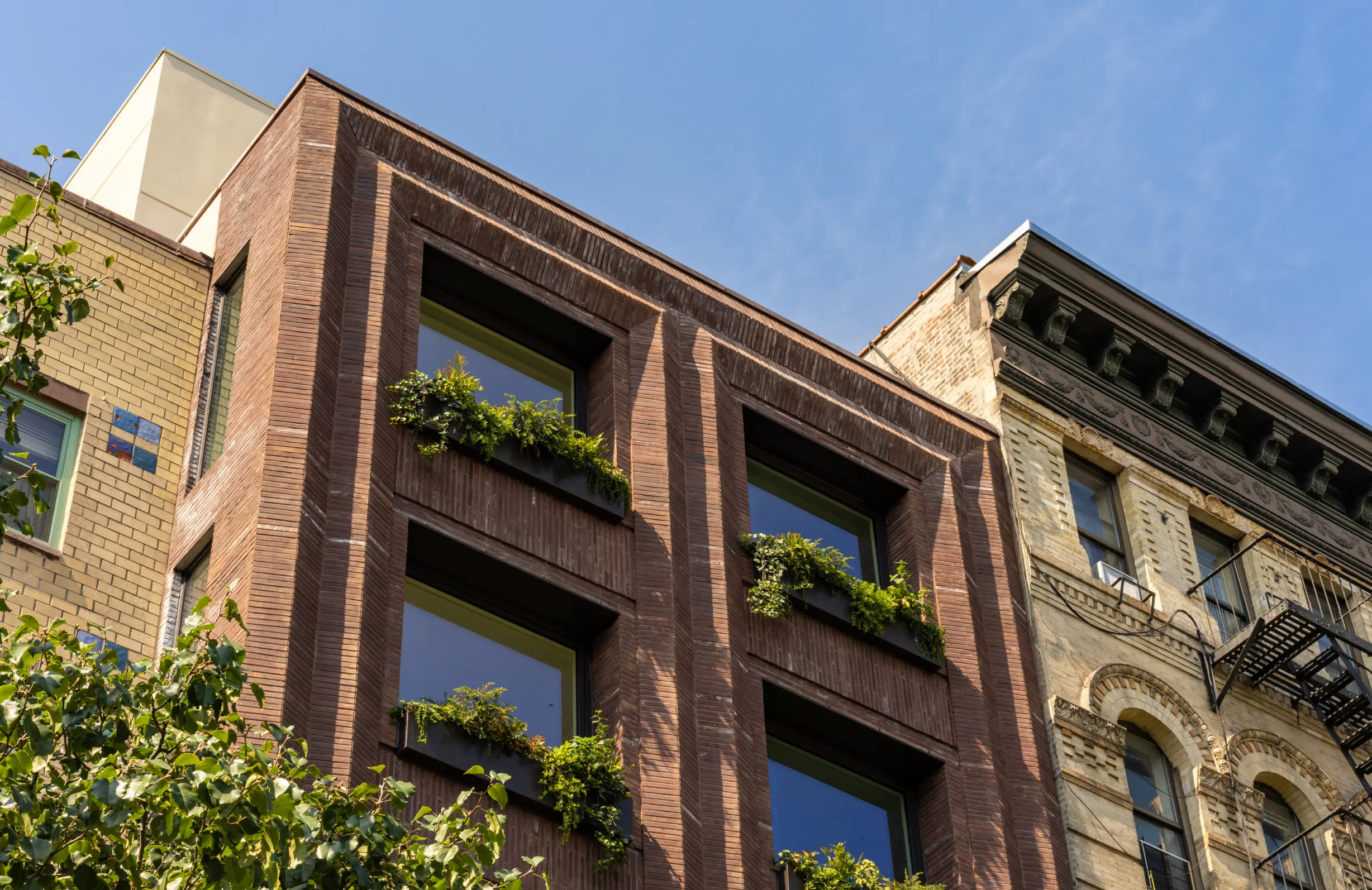
256 East 4th Street is a six-story boutique condominium in Manhattan’s East Village, that reinterprets the traditional masonry façade through a contemporary approach to proportion, depth, and material. Located in a historically immigrant neighborhood that transformed over the past few decades to a thriving social scene, the project sought to bridge the gap between some of the neighborhood’s past architectural brickwork with a contemporary take. Through carefully articulated proportions, distinctive masonry, and a layered facade, the project introduces a new expression that respects its surroundings while establishing its own identity.
Project Details:
Client
PrivateLocation
New York, NYSize
10,120 Sq. Ft.Date completed
Summer 2026
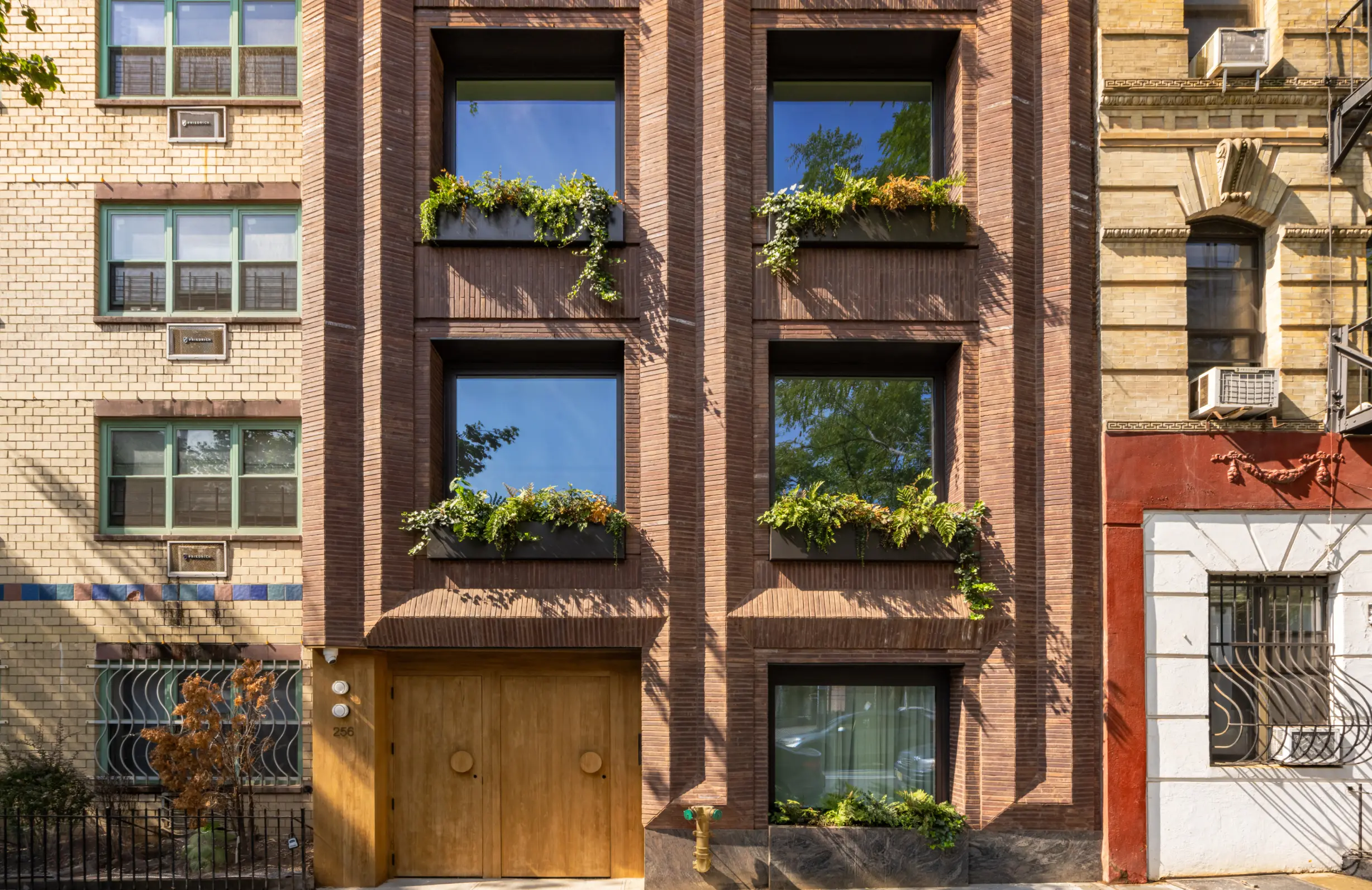
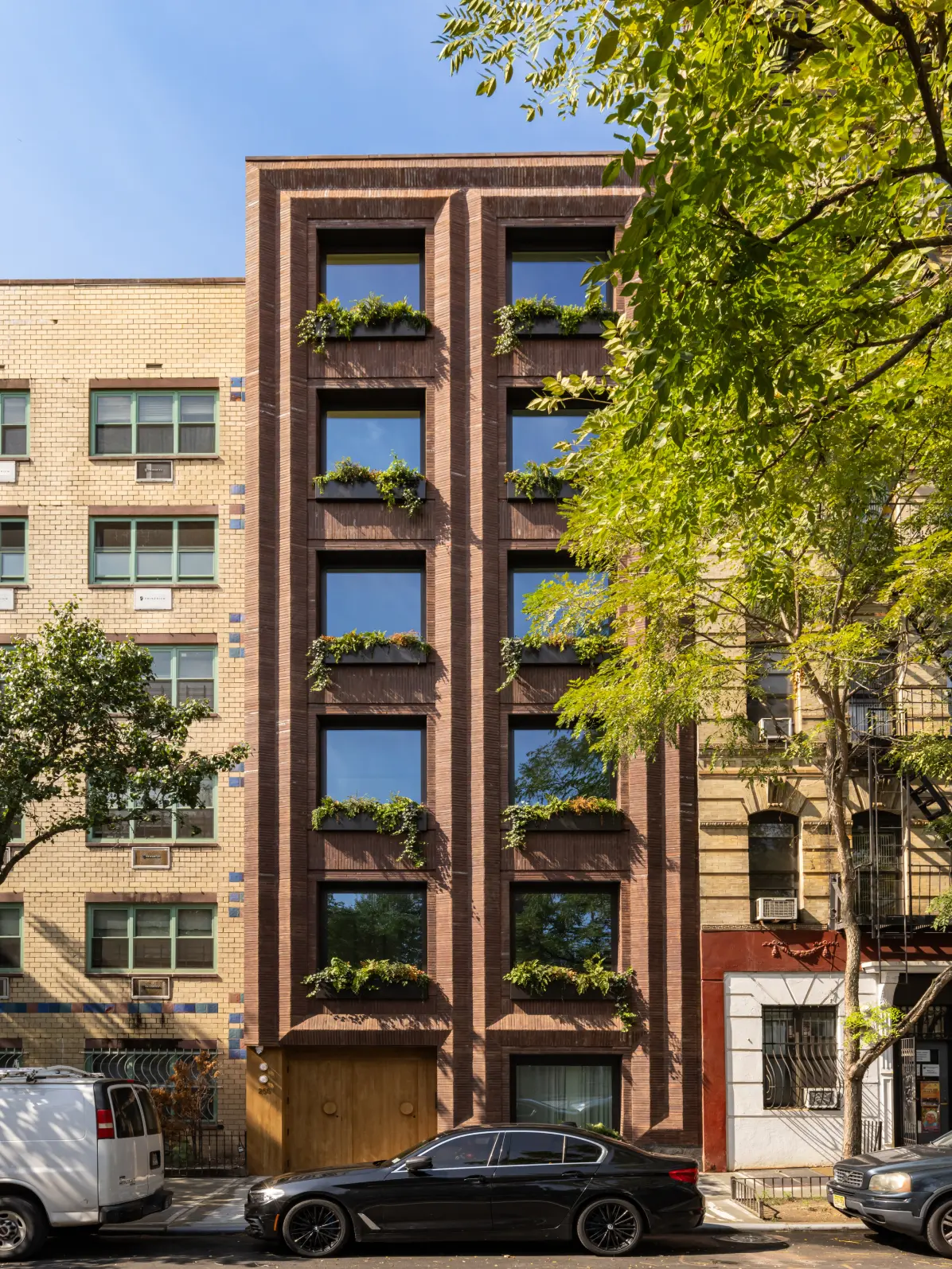
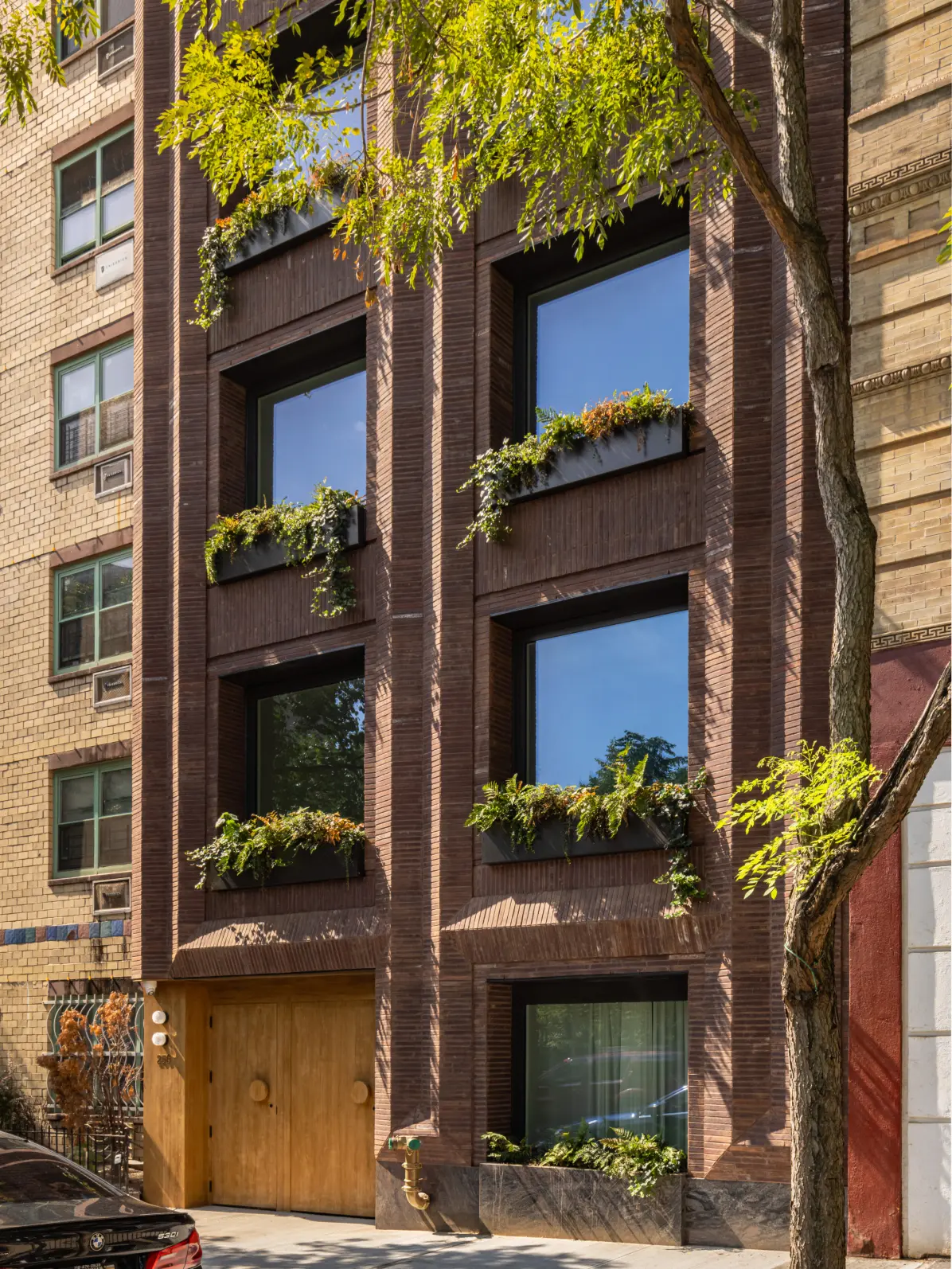
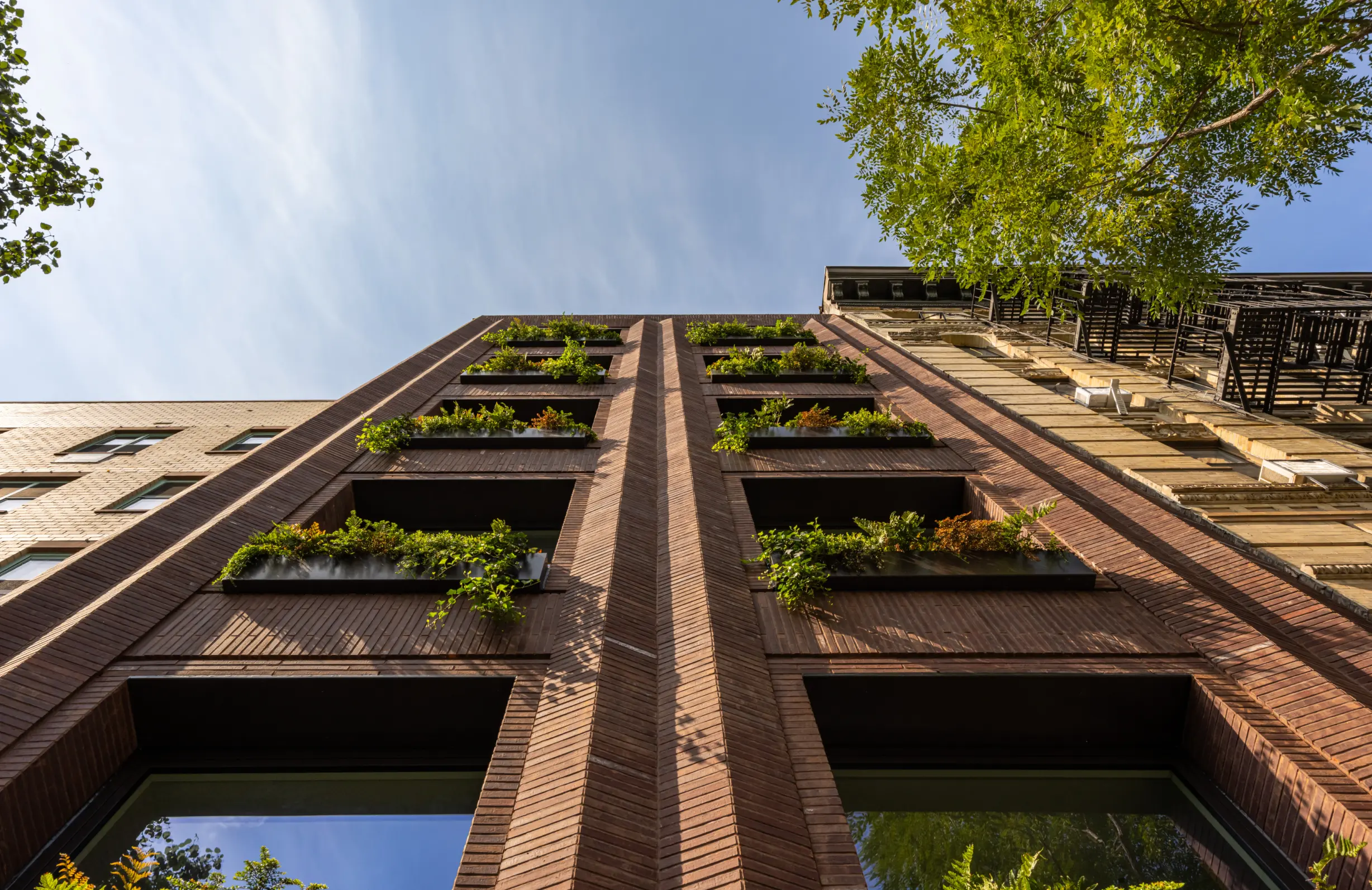
The aesthetic goal was to create architectural depth within a relatively restrained material palette. Rather than relying on applied ornament, the façade derives its character from the manipulation of the brick itself. Vertical piers project from the primary wall plane, while recessed areas surrounding the windows create pronounced shadows and changing patterns of light throughout the day. The result is a façade that appears to shift in character as the light moves across its surface.
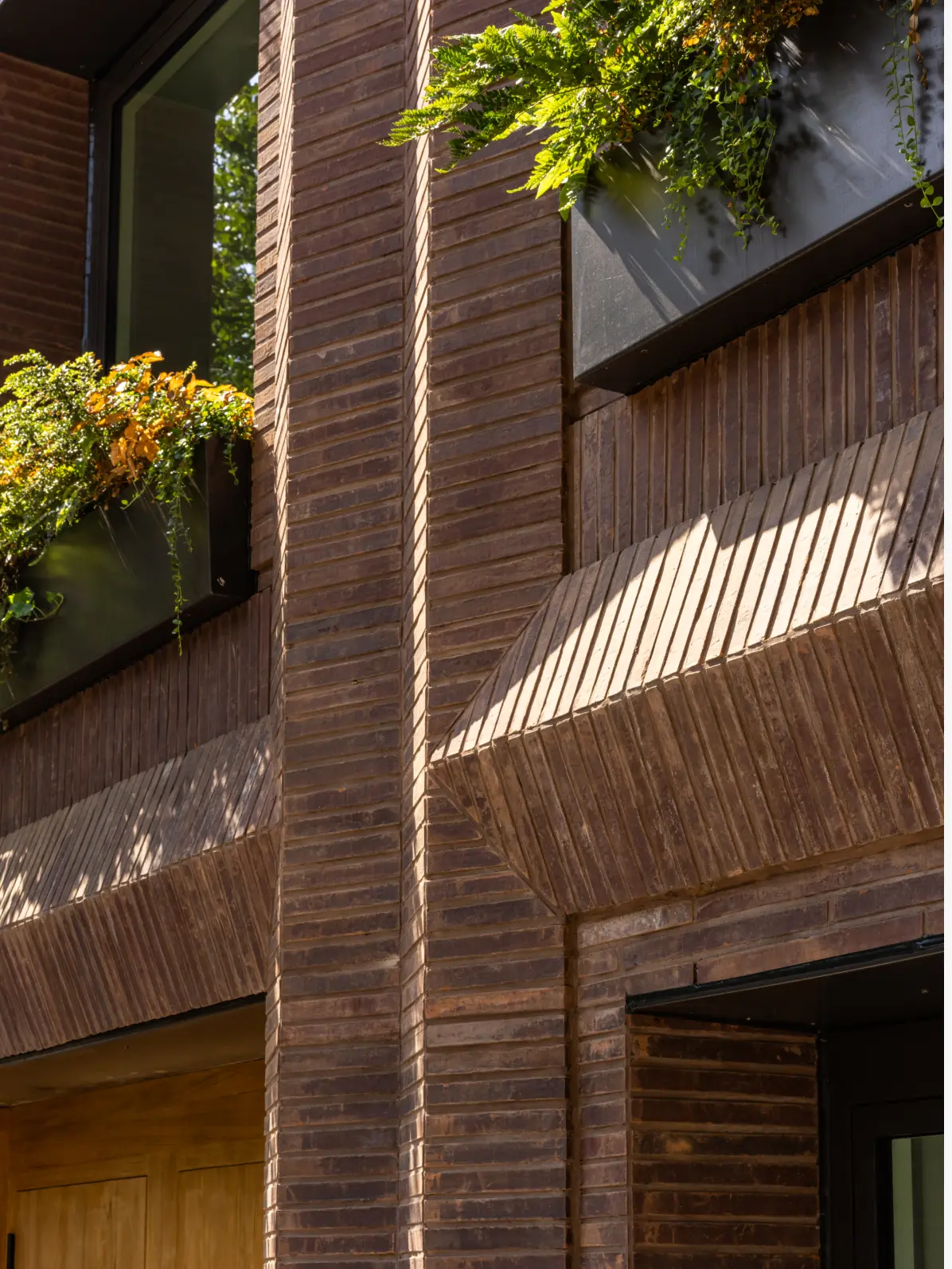
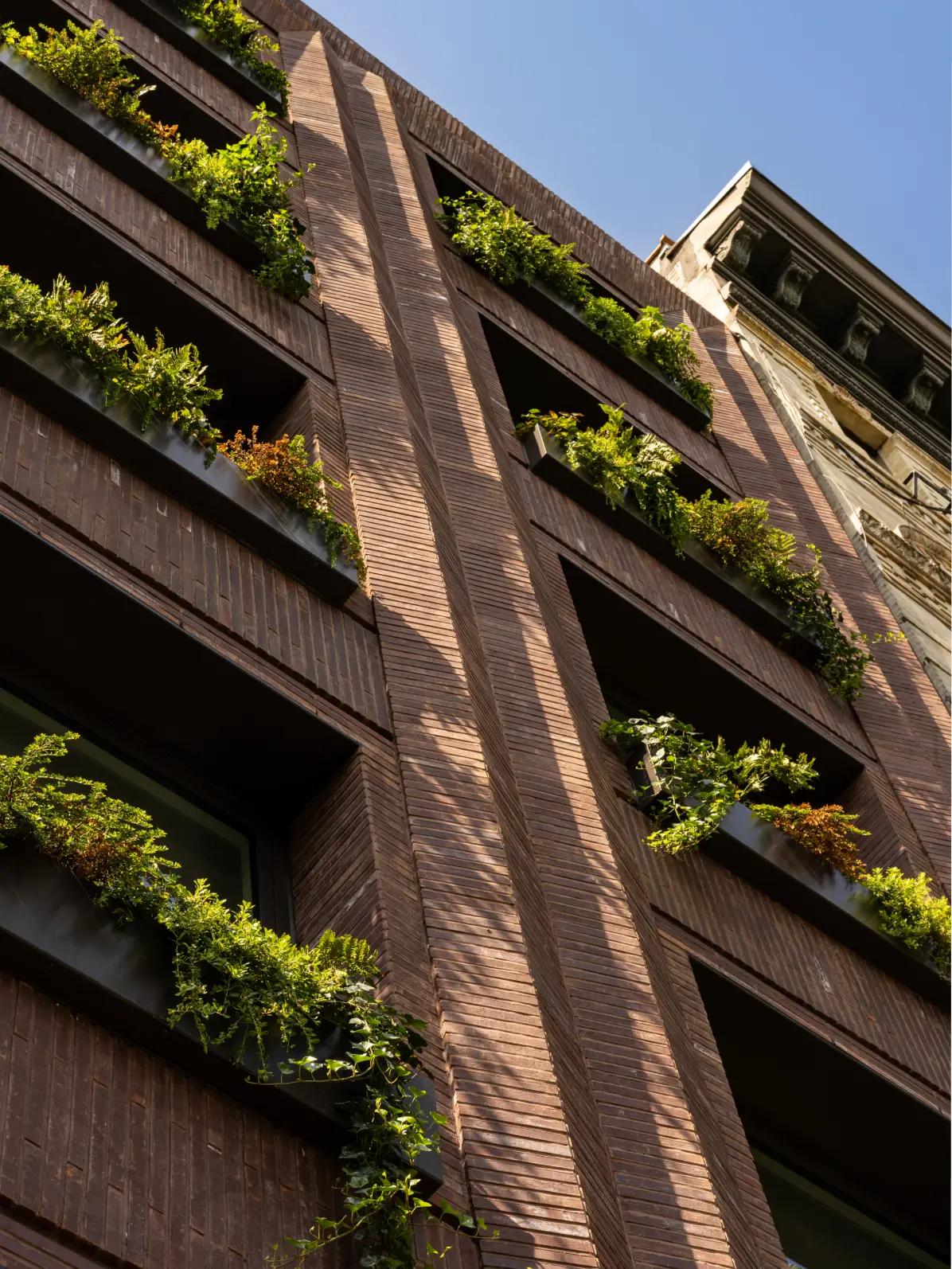
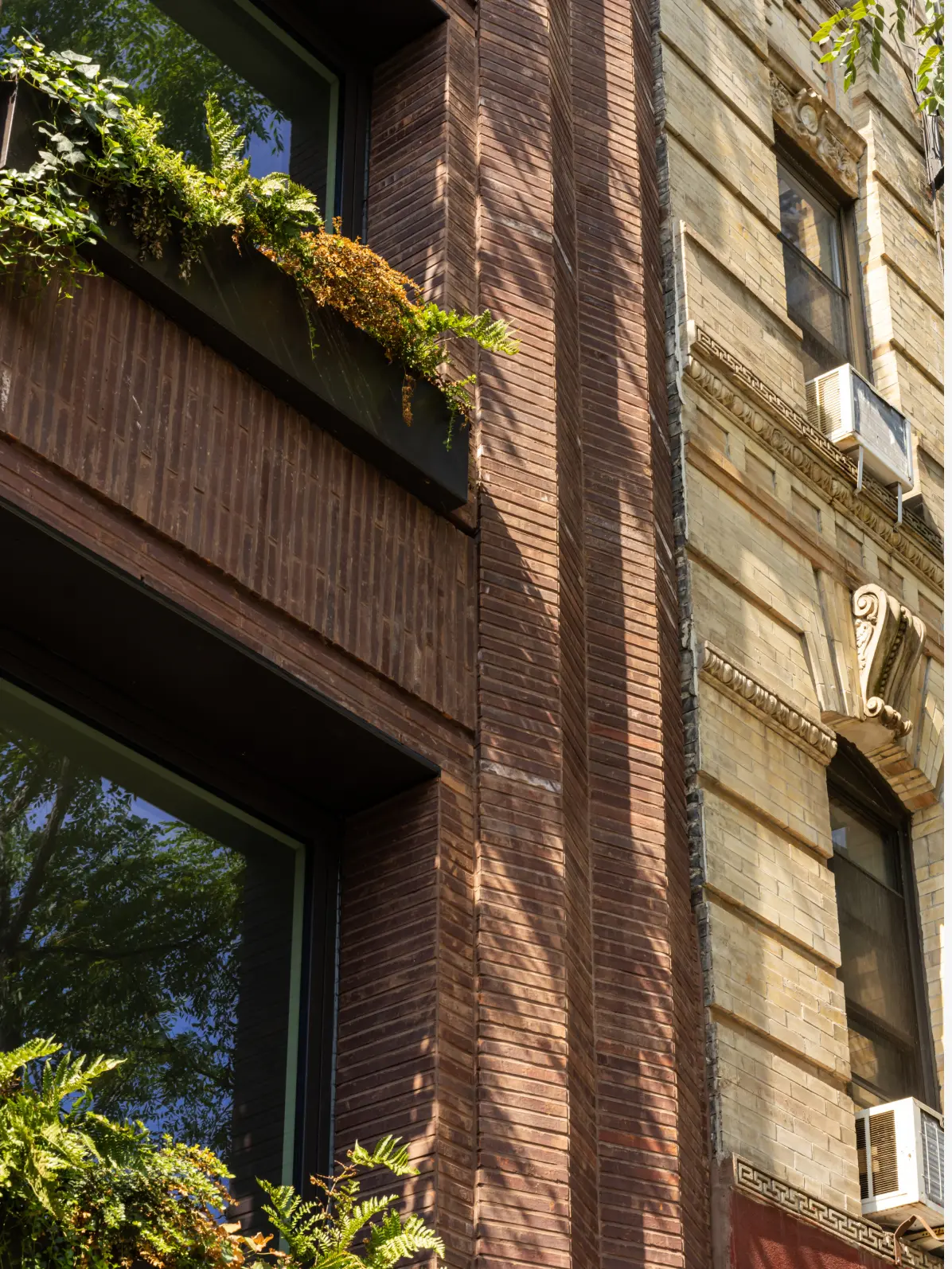
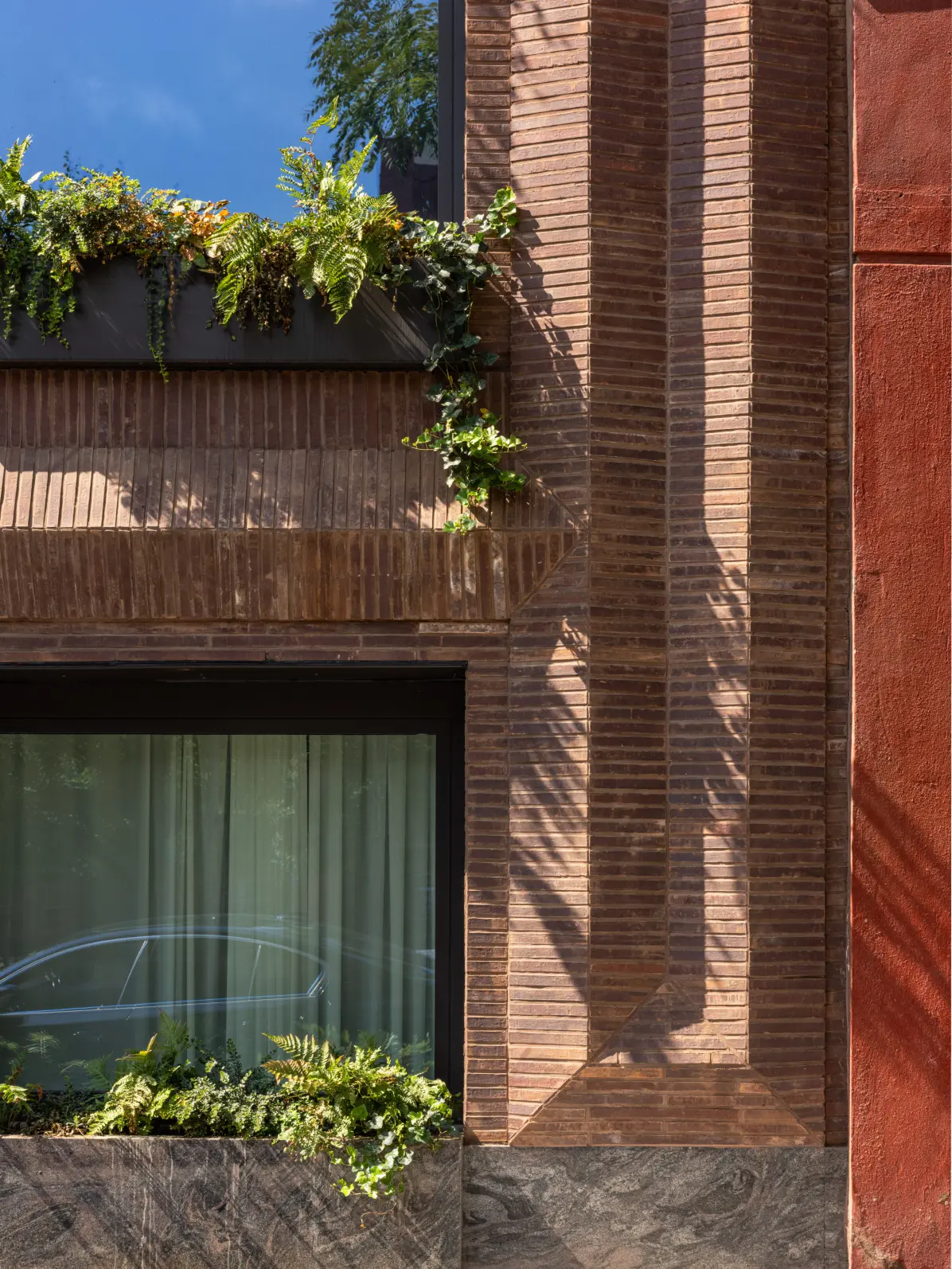
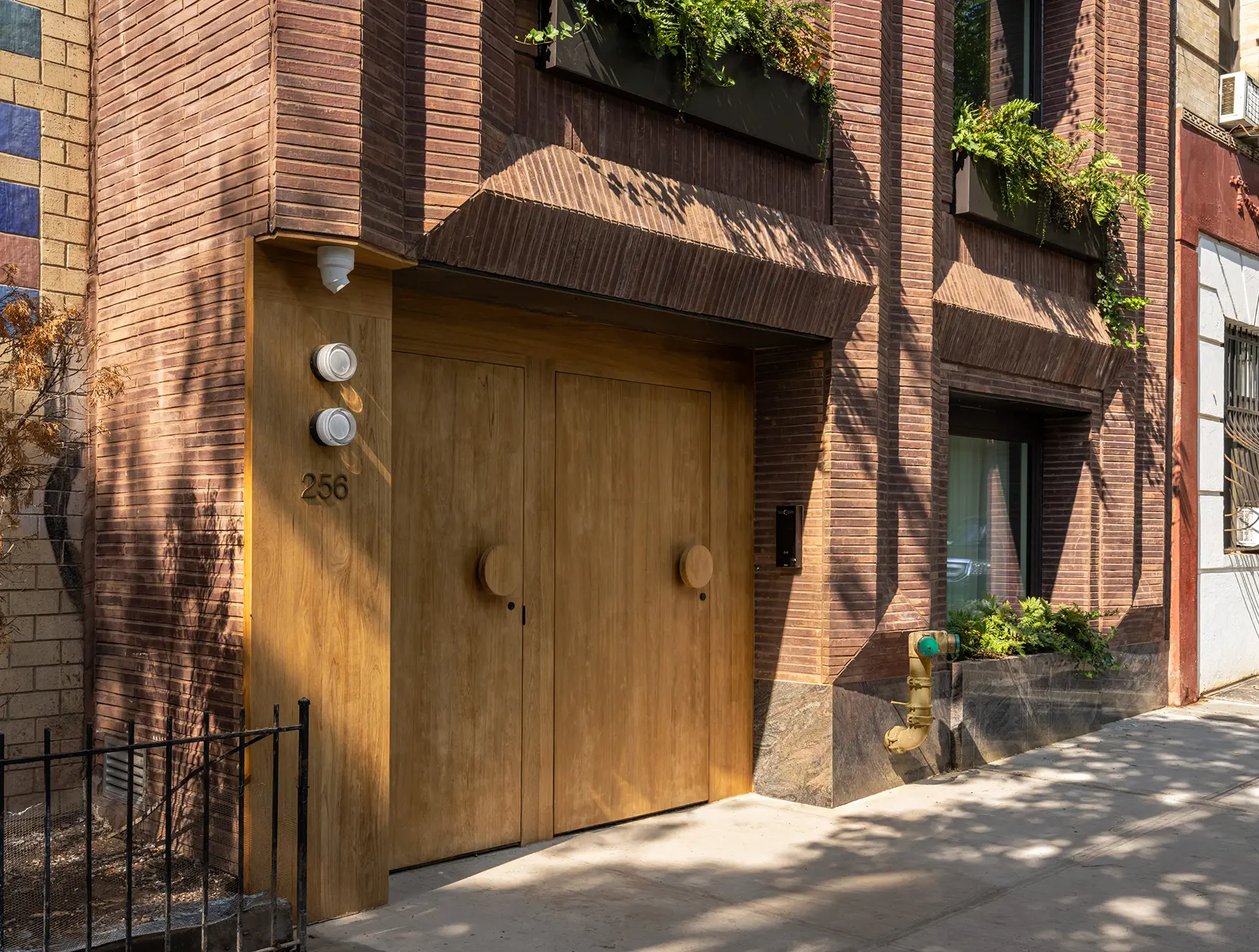
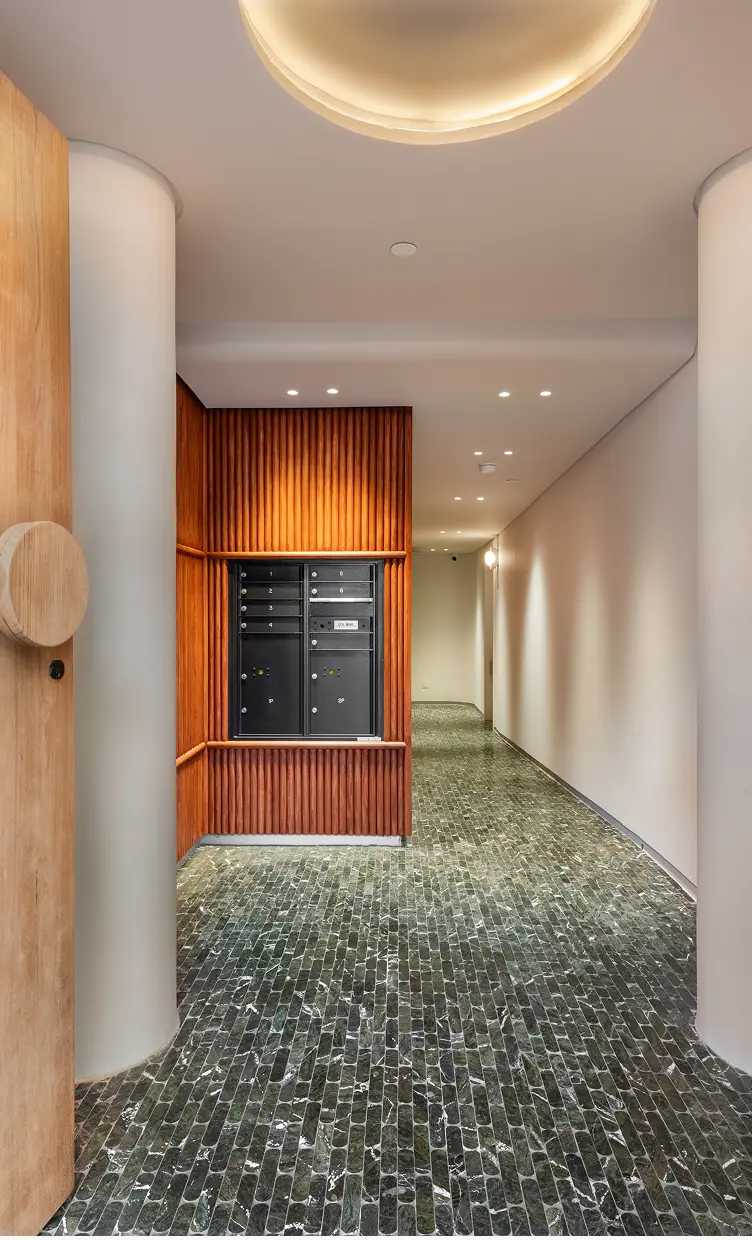
The building’s exterior reveals different characteristics as it is viewed from the street and from below. Recessed windows and its modularity enables a more sculptural treatment of the façade. Integrated planters introduce greenery at multiple levels, softening the masonry and establishing a connection between the residences and the surrounding streetscape.
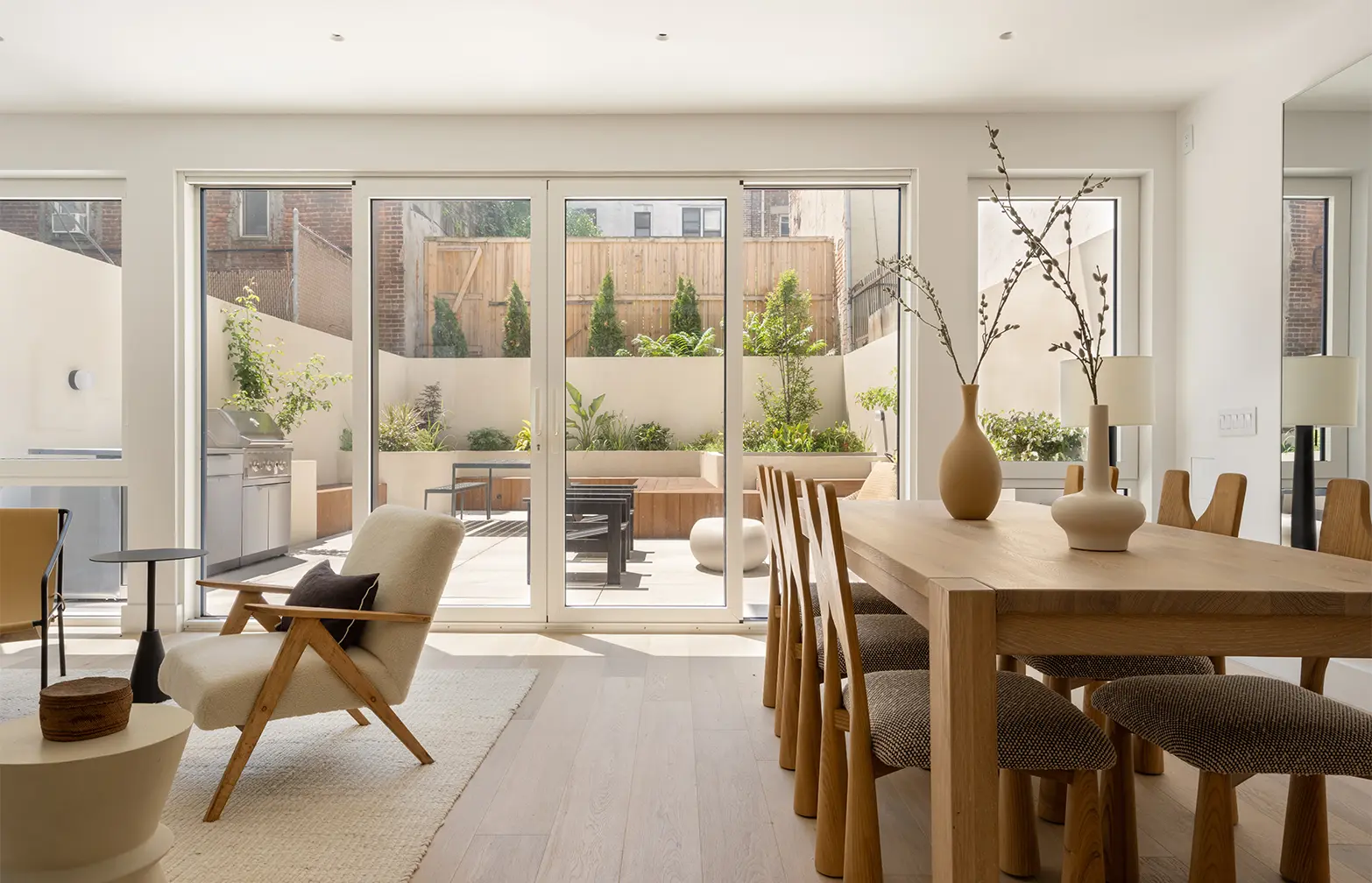
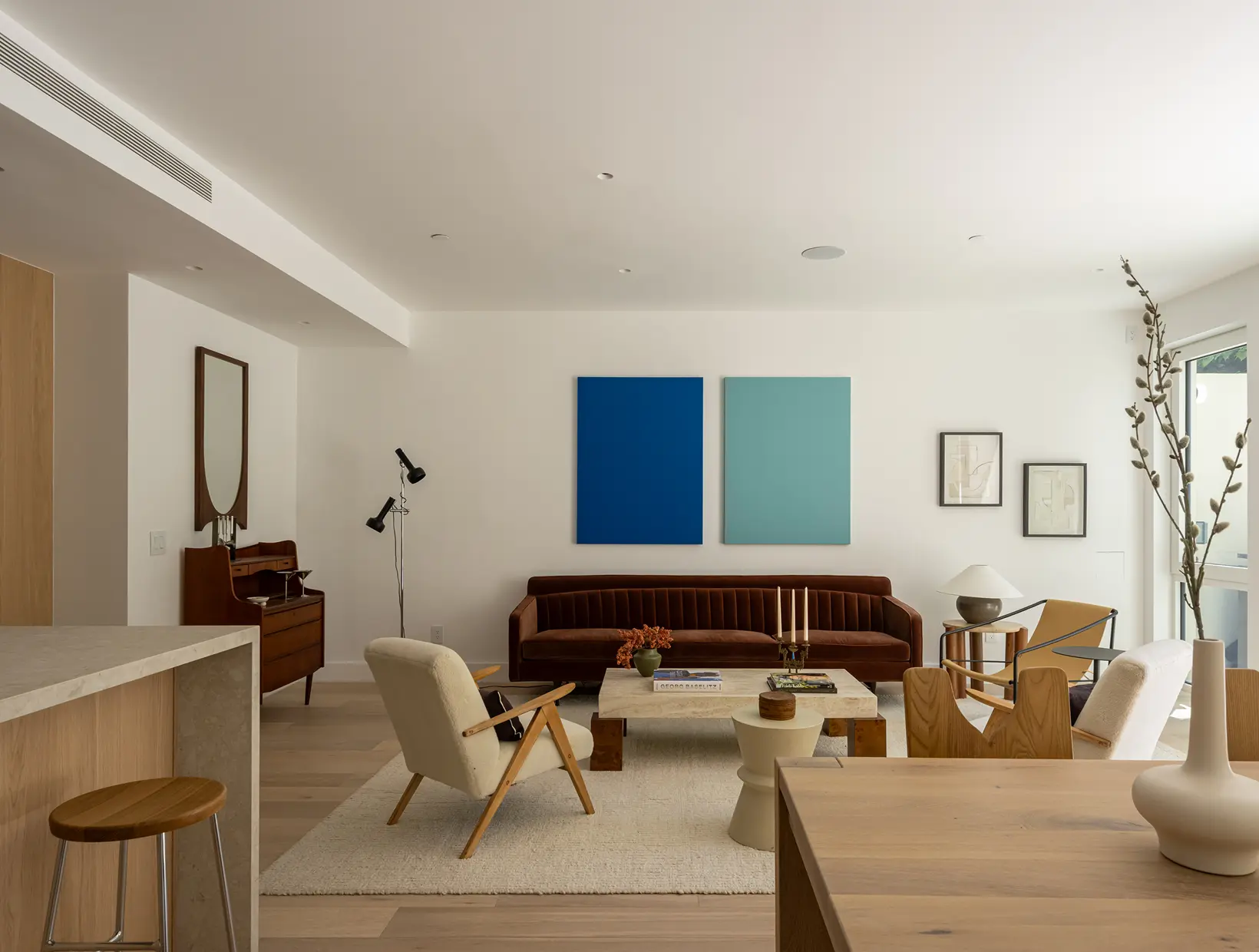
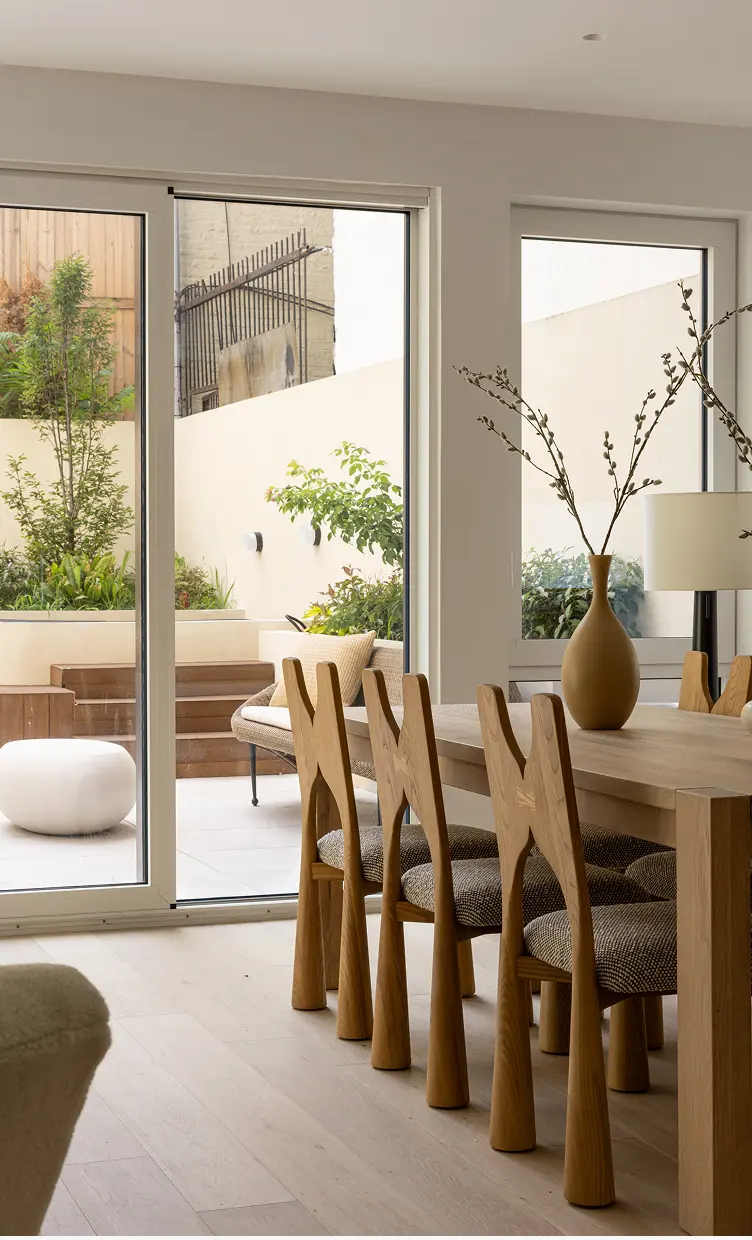
The garden-level residence is organized around a direct relationship between interior living spaces and the private outdoor area. Large glass openings extend the living and dining spaces toward the garden, allowing daylight to penetrate deep into the home. The transition between inside and out feels natural, with a restrained material palette and understated furnishings allowing the greenery to become an integral part of the living experience.
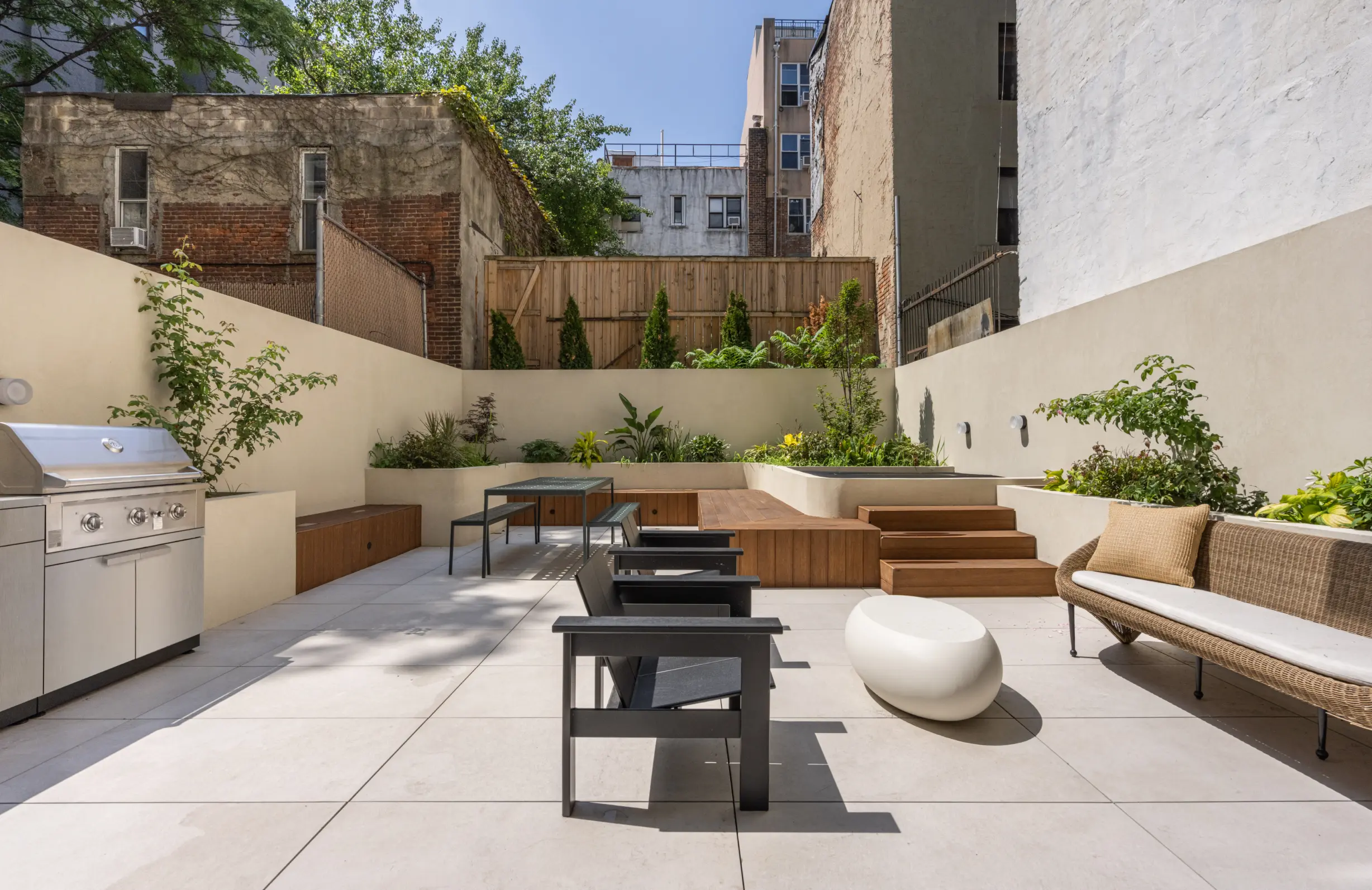
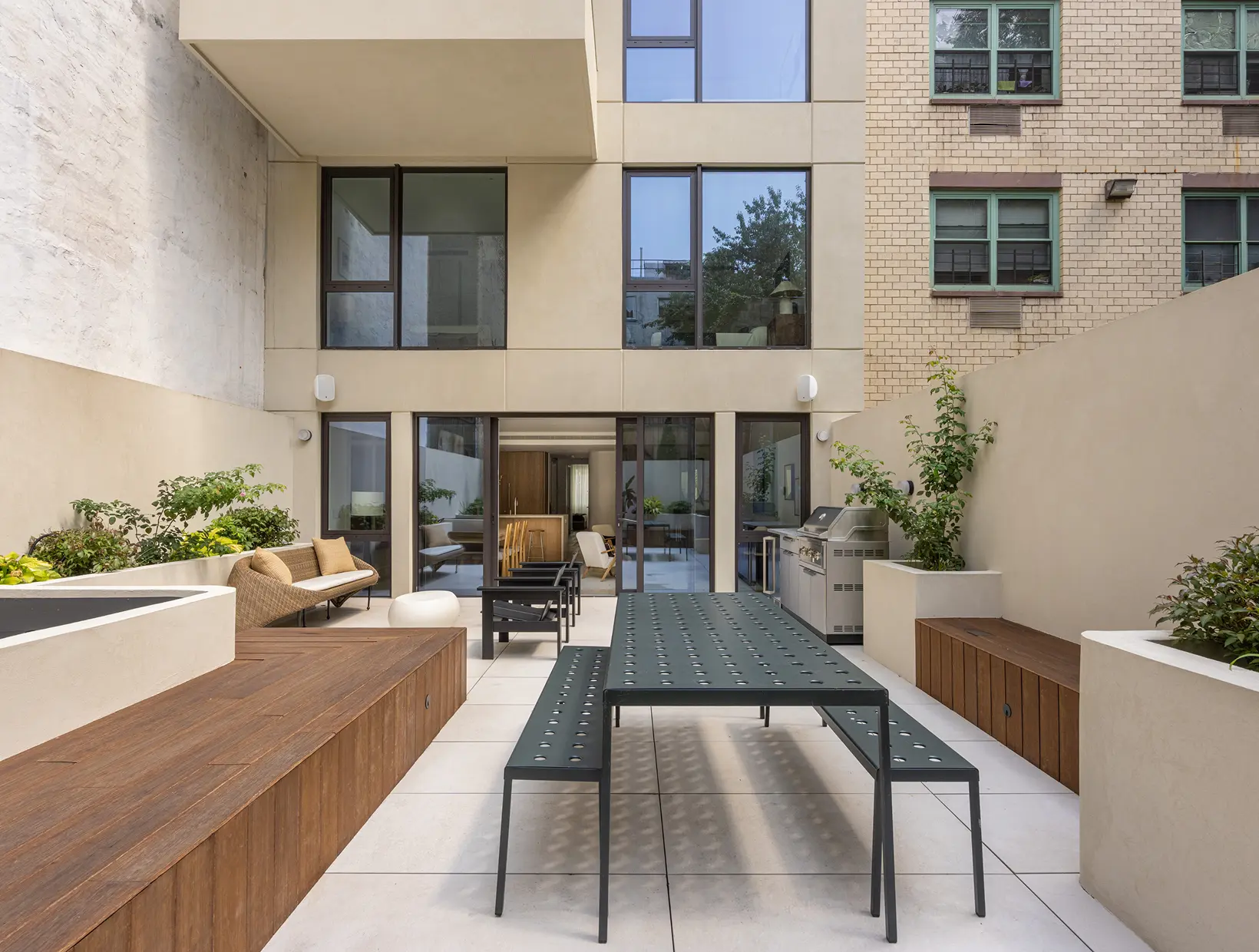
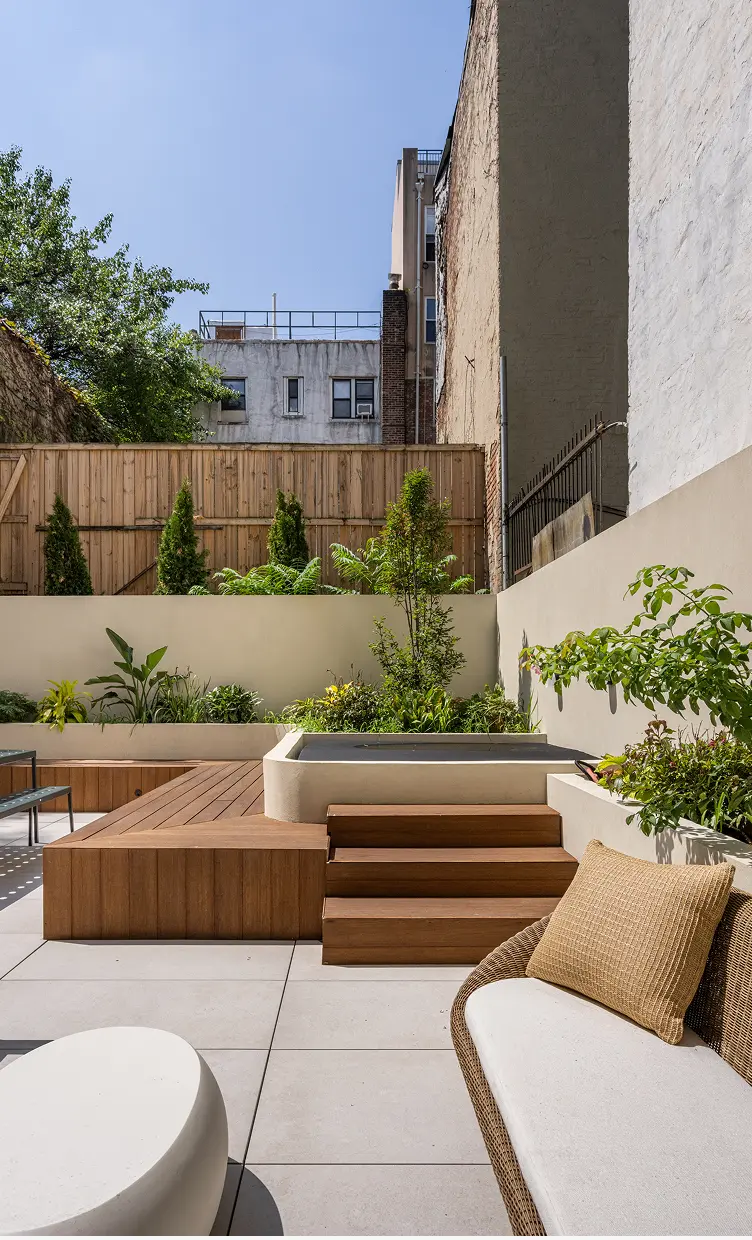
The terrace connects to the kitchen , creating a natural extension of the home’s everyday gathering spaces. Warm wood cabinetry contrasts with stone surfaces and carefully selected fixtures, establishing a design balance. Large openings maintain a visual connection to the outdoors, while the terrace provides additional space for dining and entertaining.
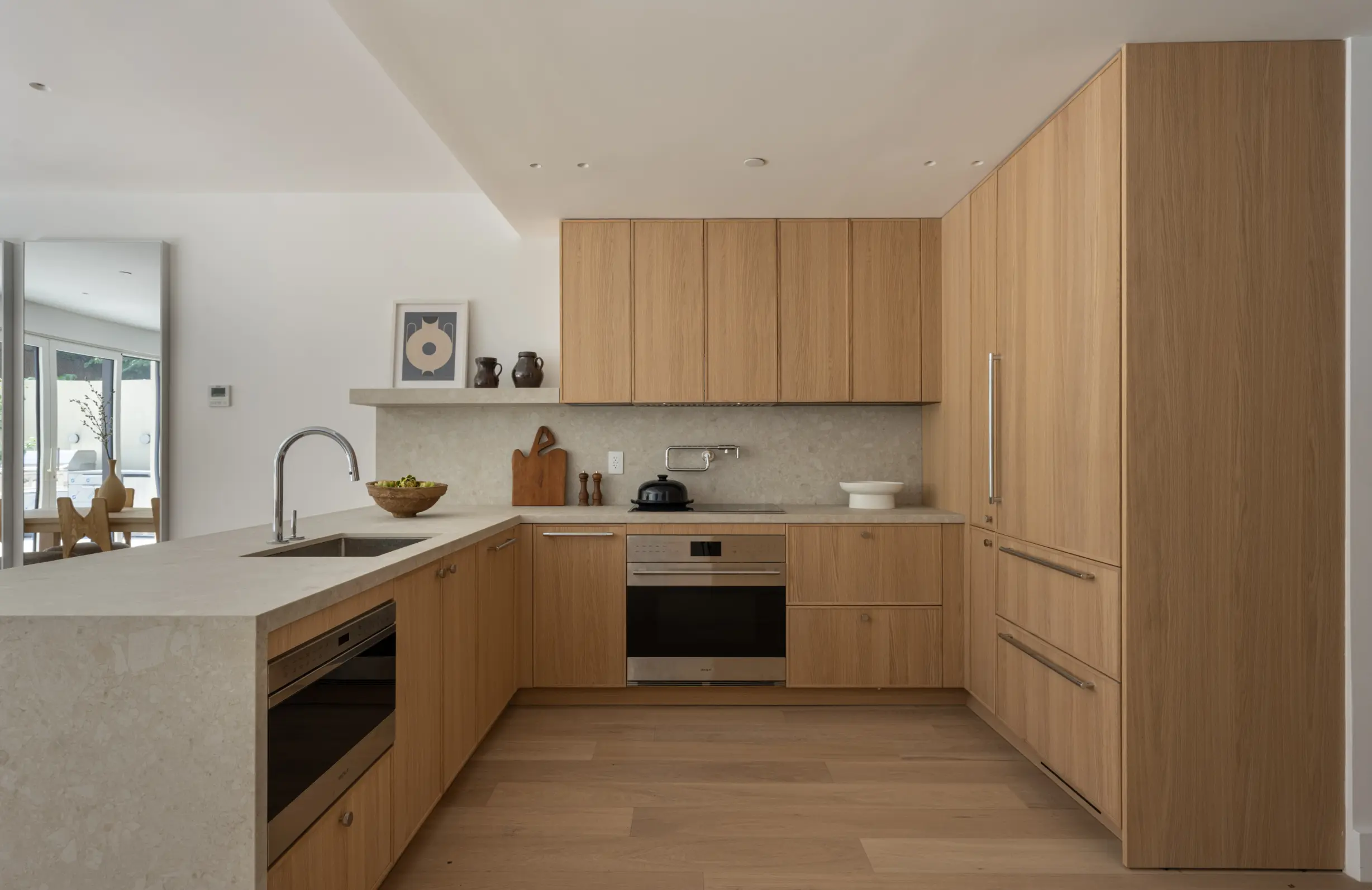
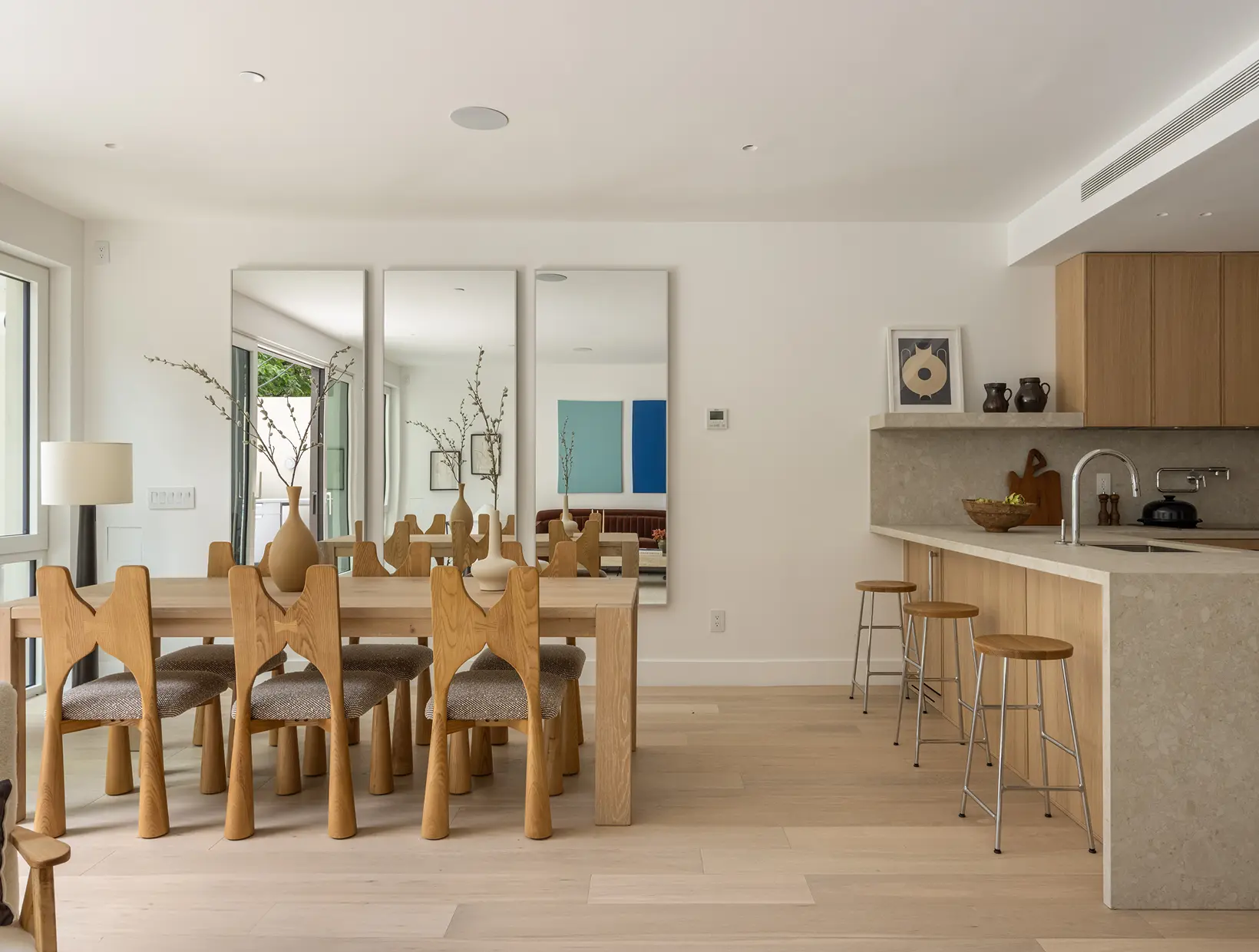
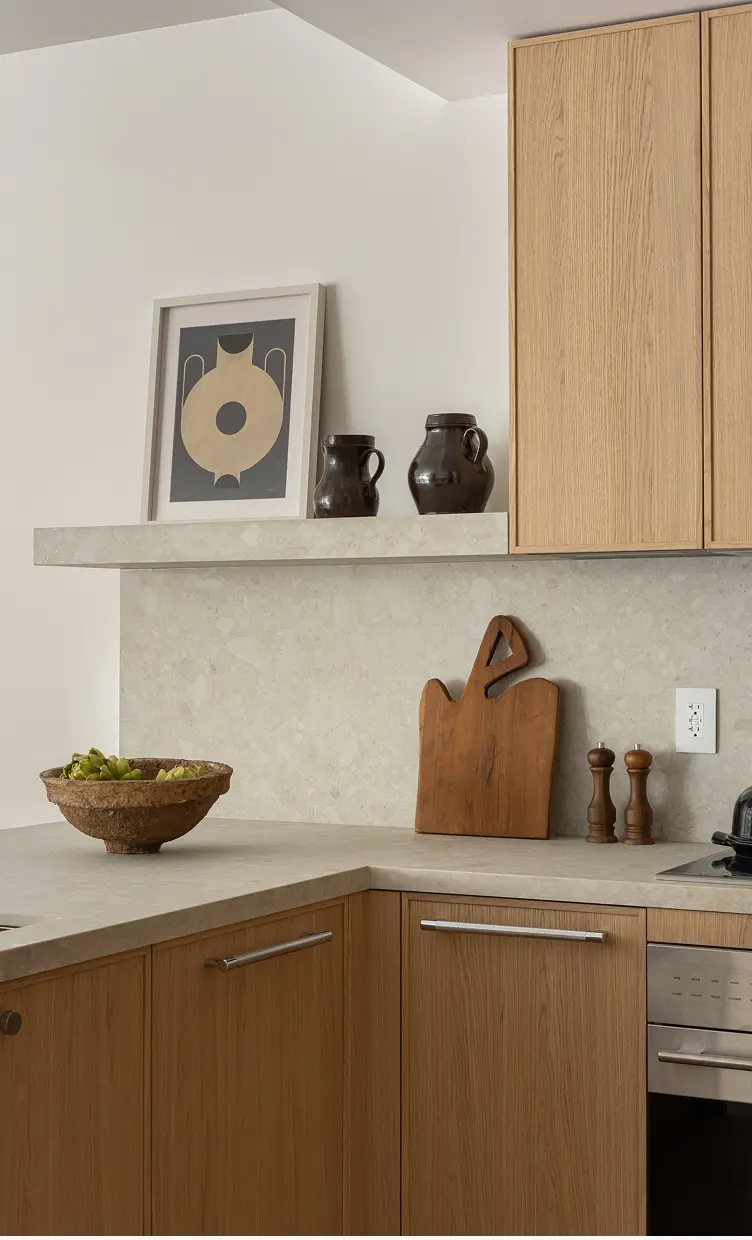
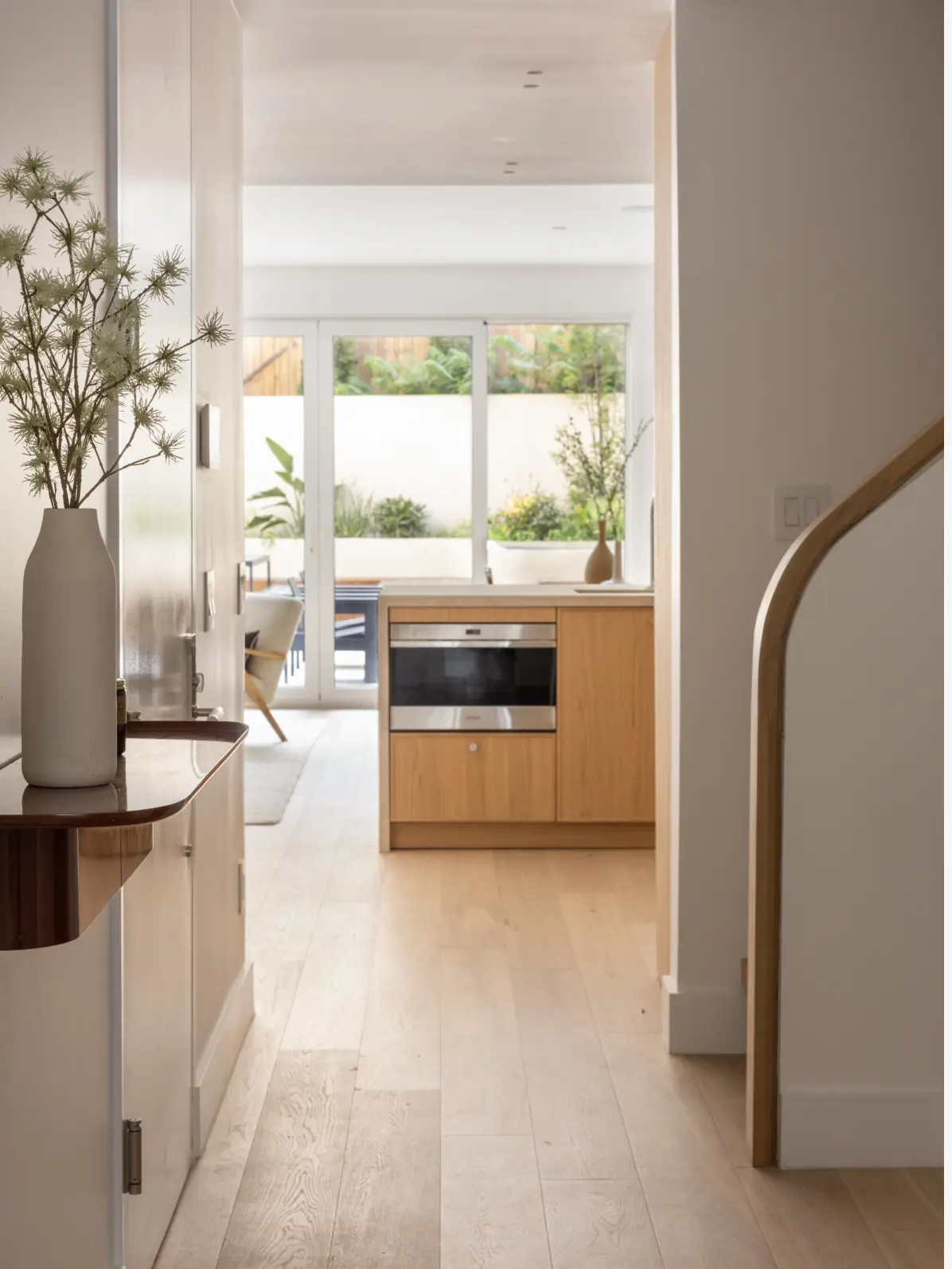
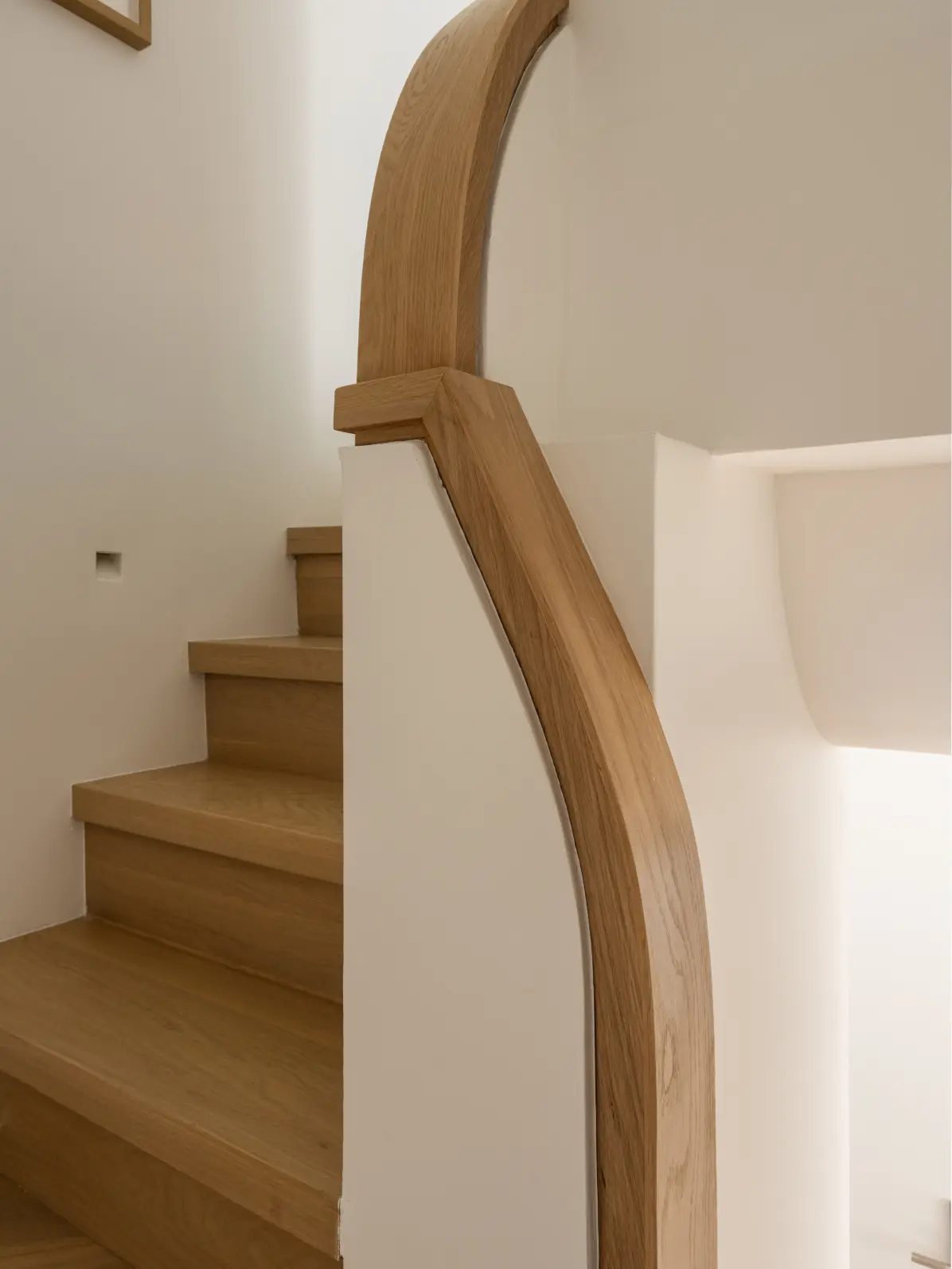
Throughout the residences, the interiors balance open communal spaces with more intimate private rooms. The staircase introduces a sculptural element into the circulation, using a combination of clean geometry and warm materials to connect the different levels.
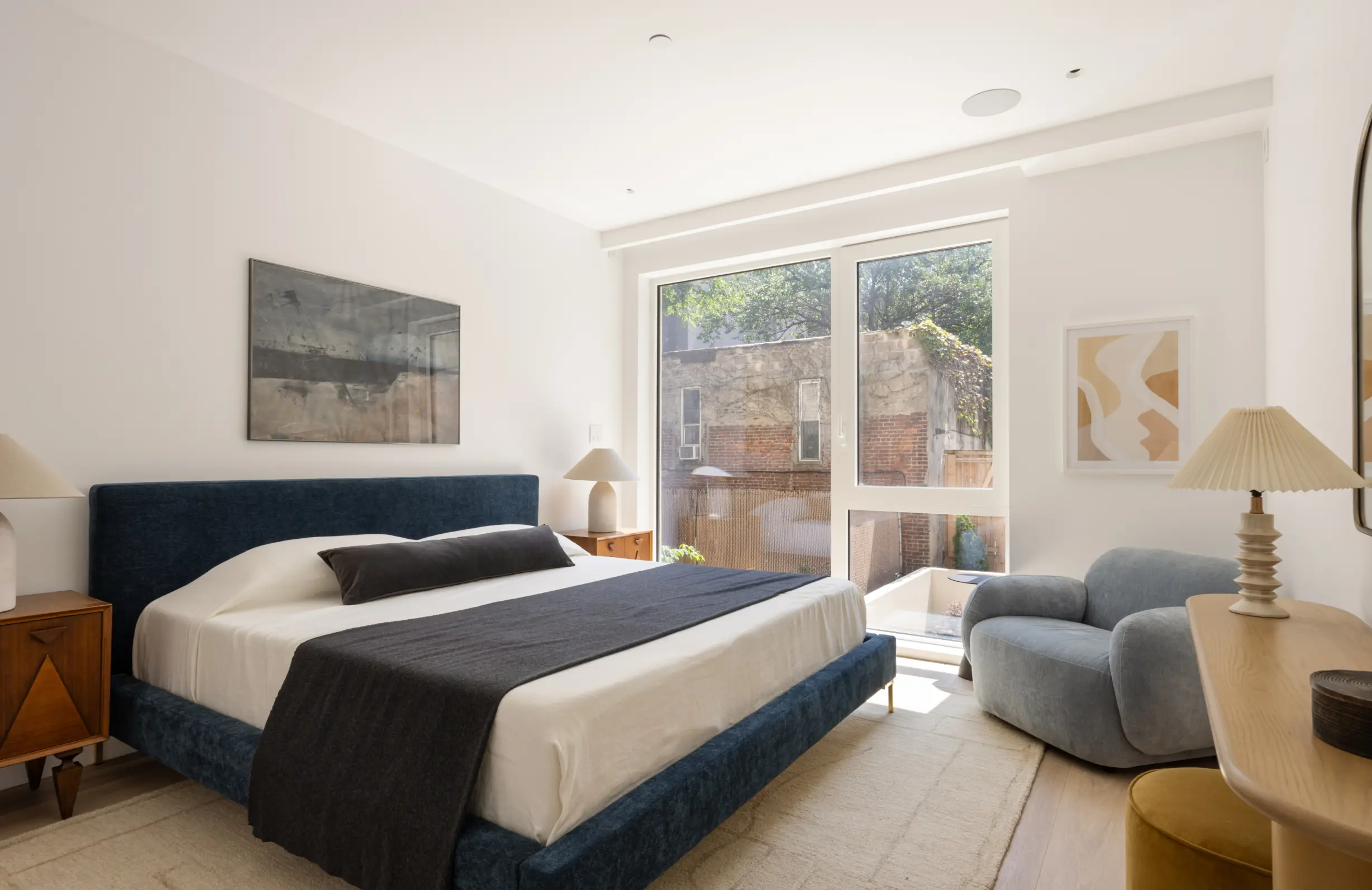
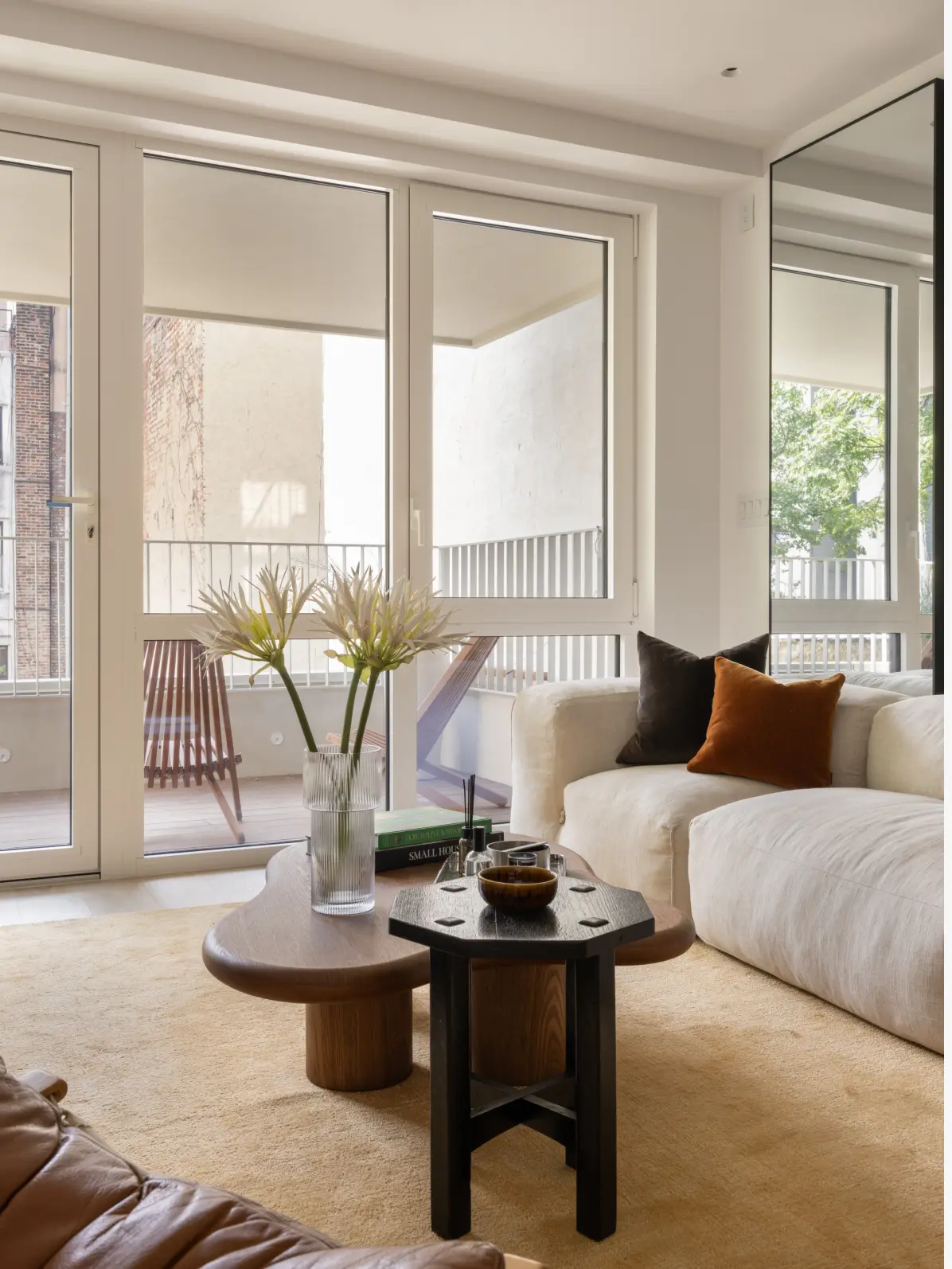
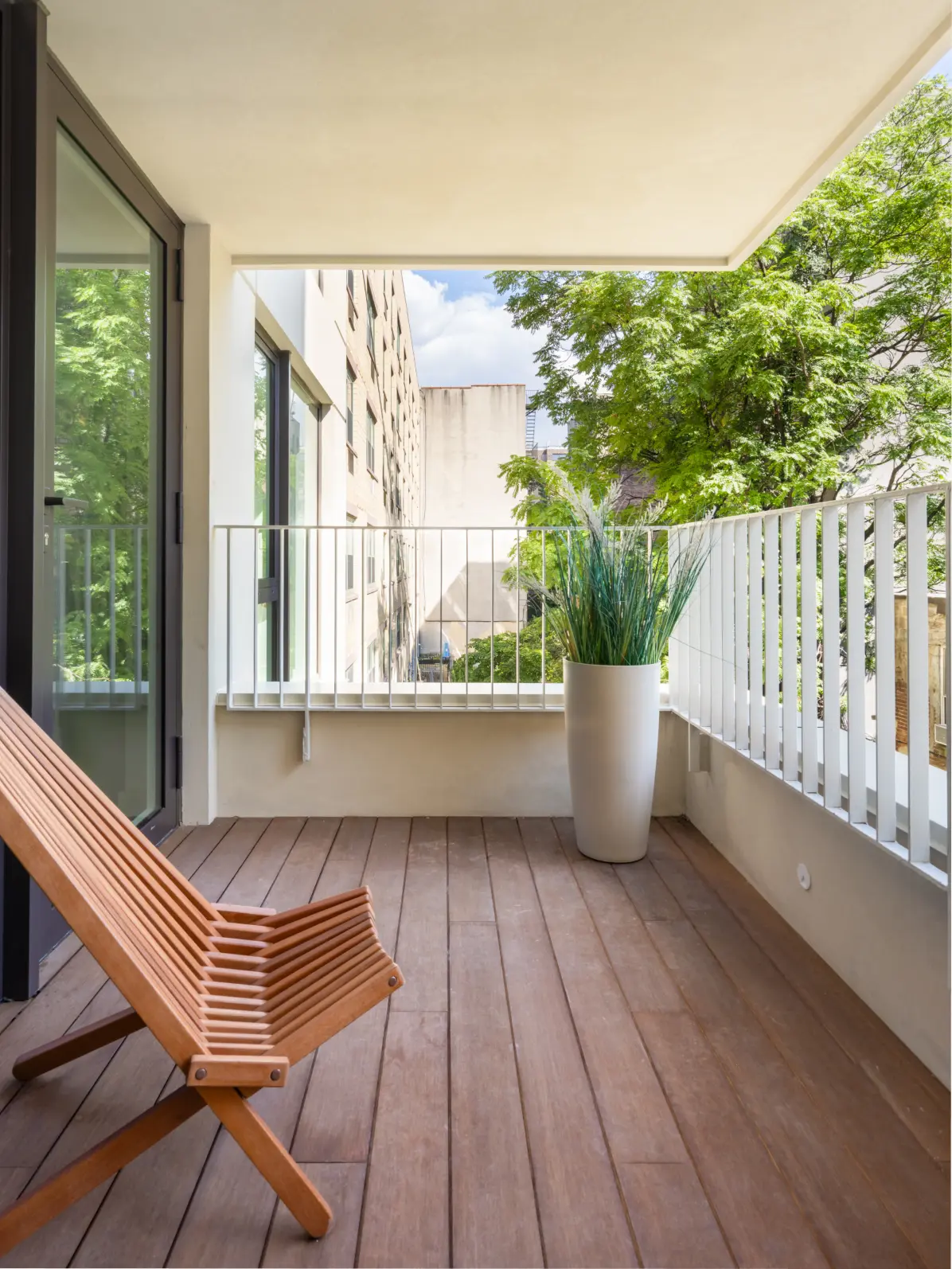
In the bedrooms and secondary living areas, generous windows, restrained finishes, and carefully considered proportions create a quieter atmosphere. Private balconies extend the living areas while offering moments of openness within the urban setting.
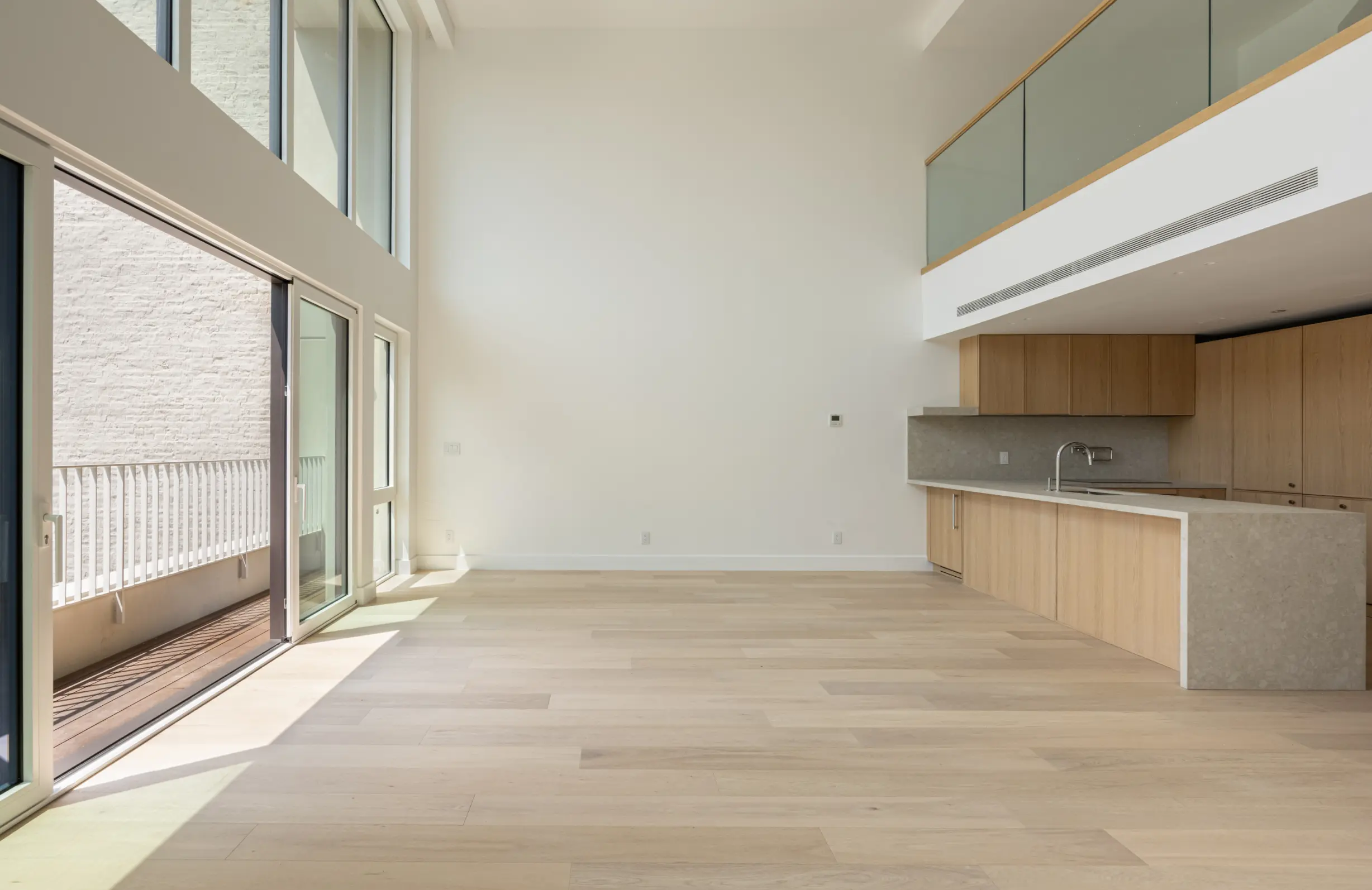
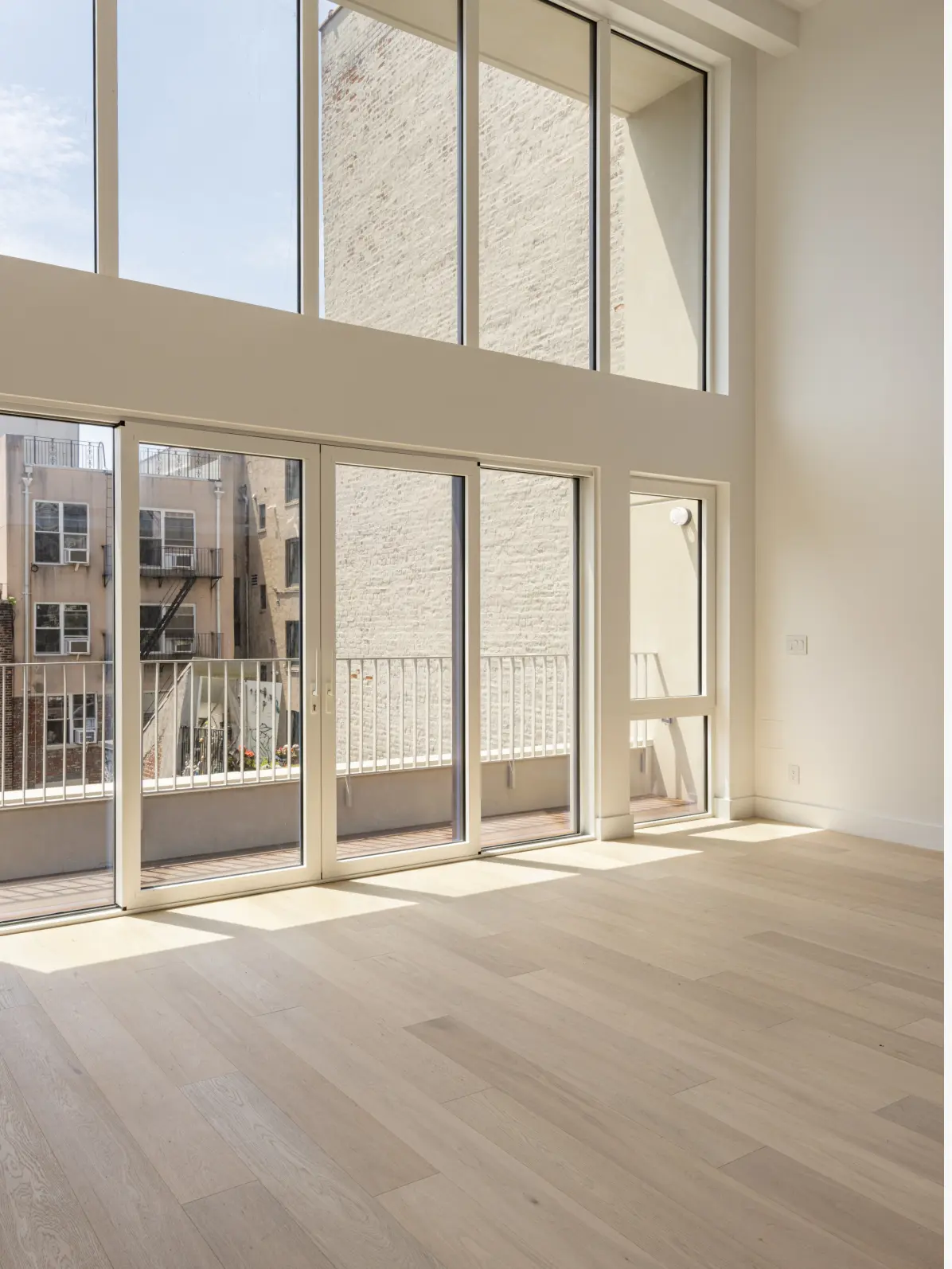
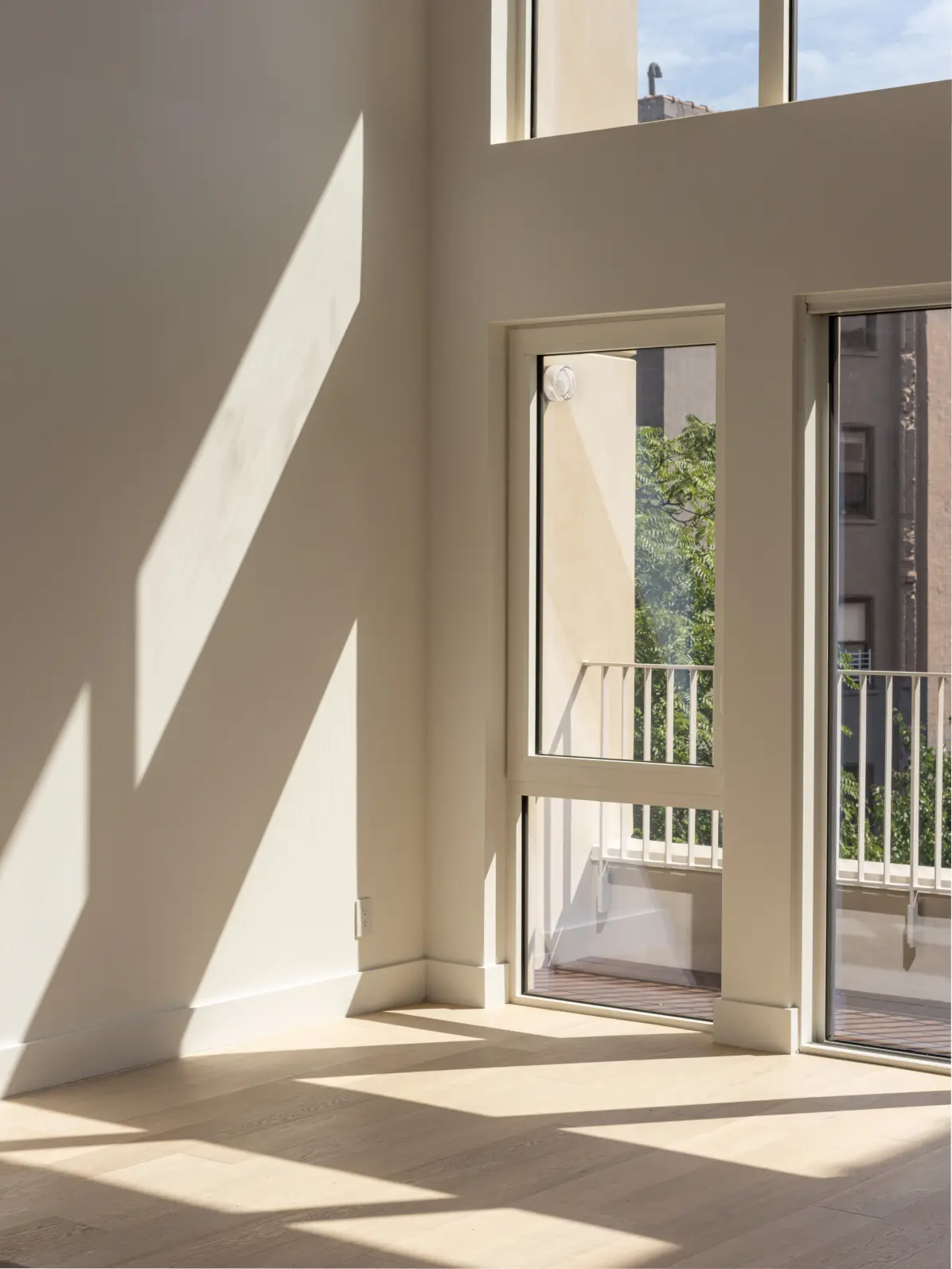
The Penthouse is shaped around a double-height social space that brings natural light deep into the interior. Overlooked by a quiet mezzanine, the open plan weaves together the kitchen, dining, and living areas, allowing the spaces to flow naturally into one another. The design focuses on openness, light, and visual connection, creating a calm, elevated retreat within the city.
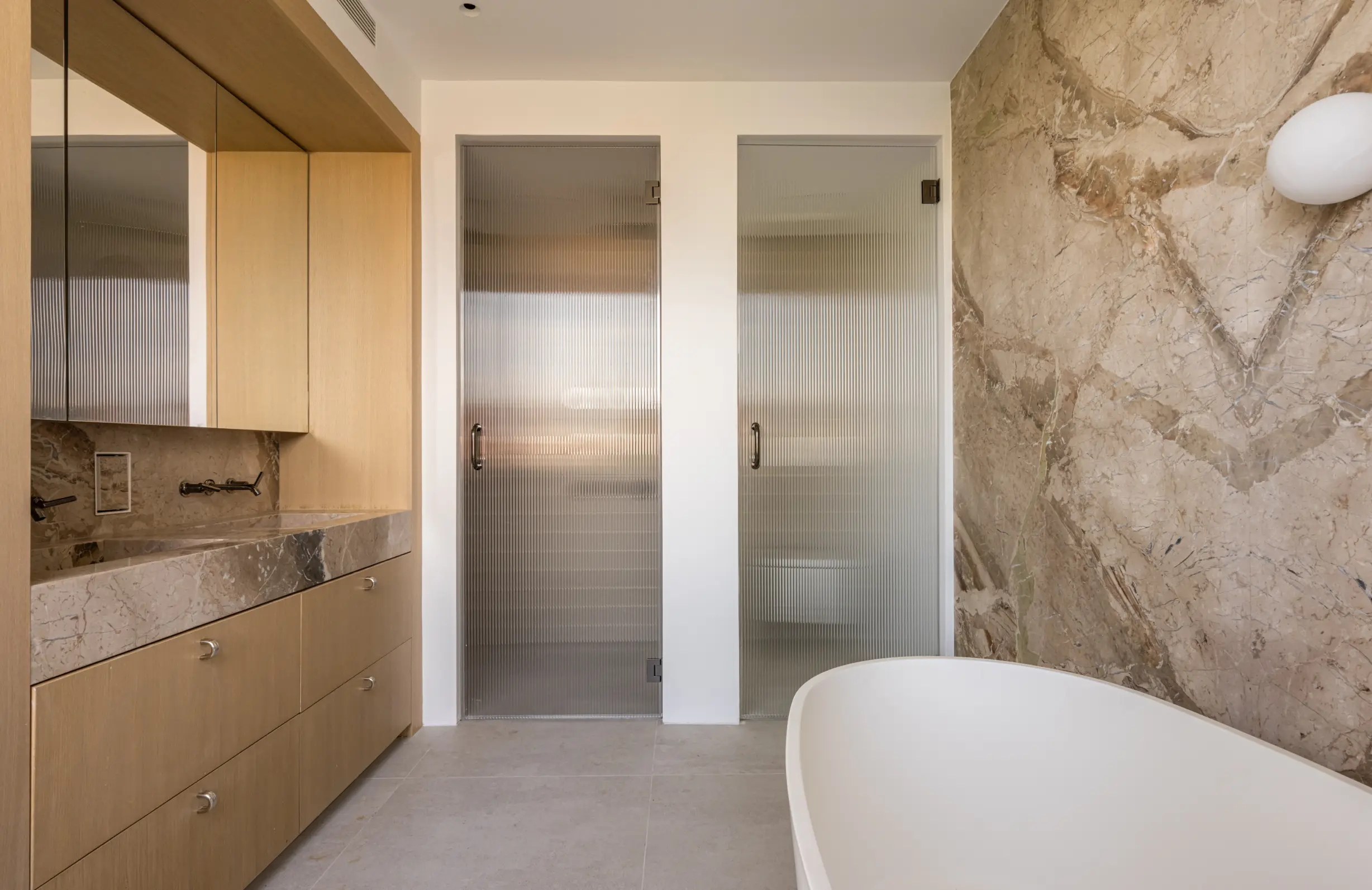
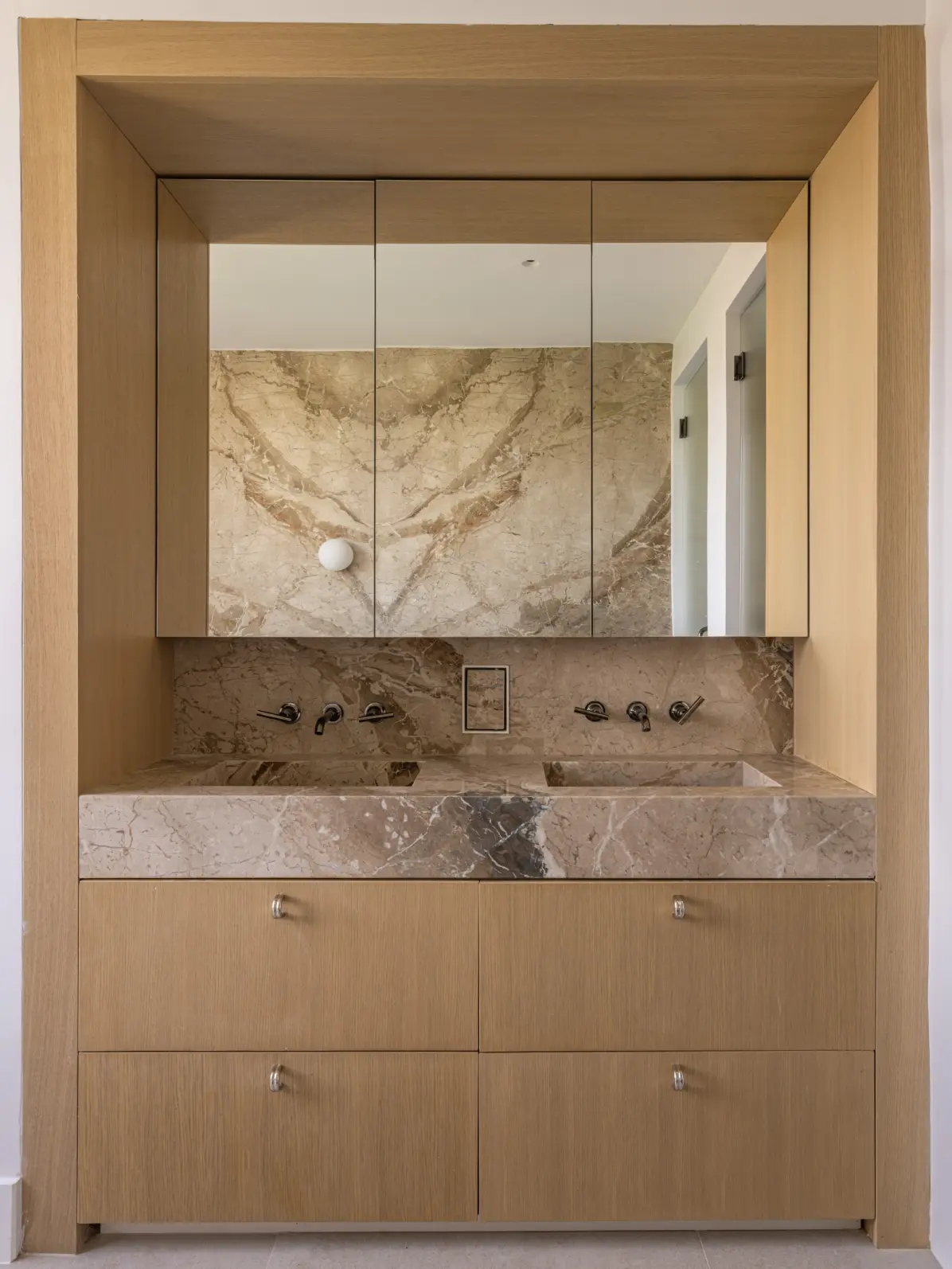
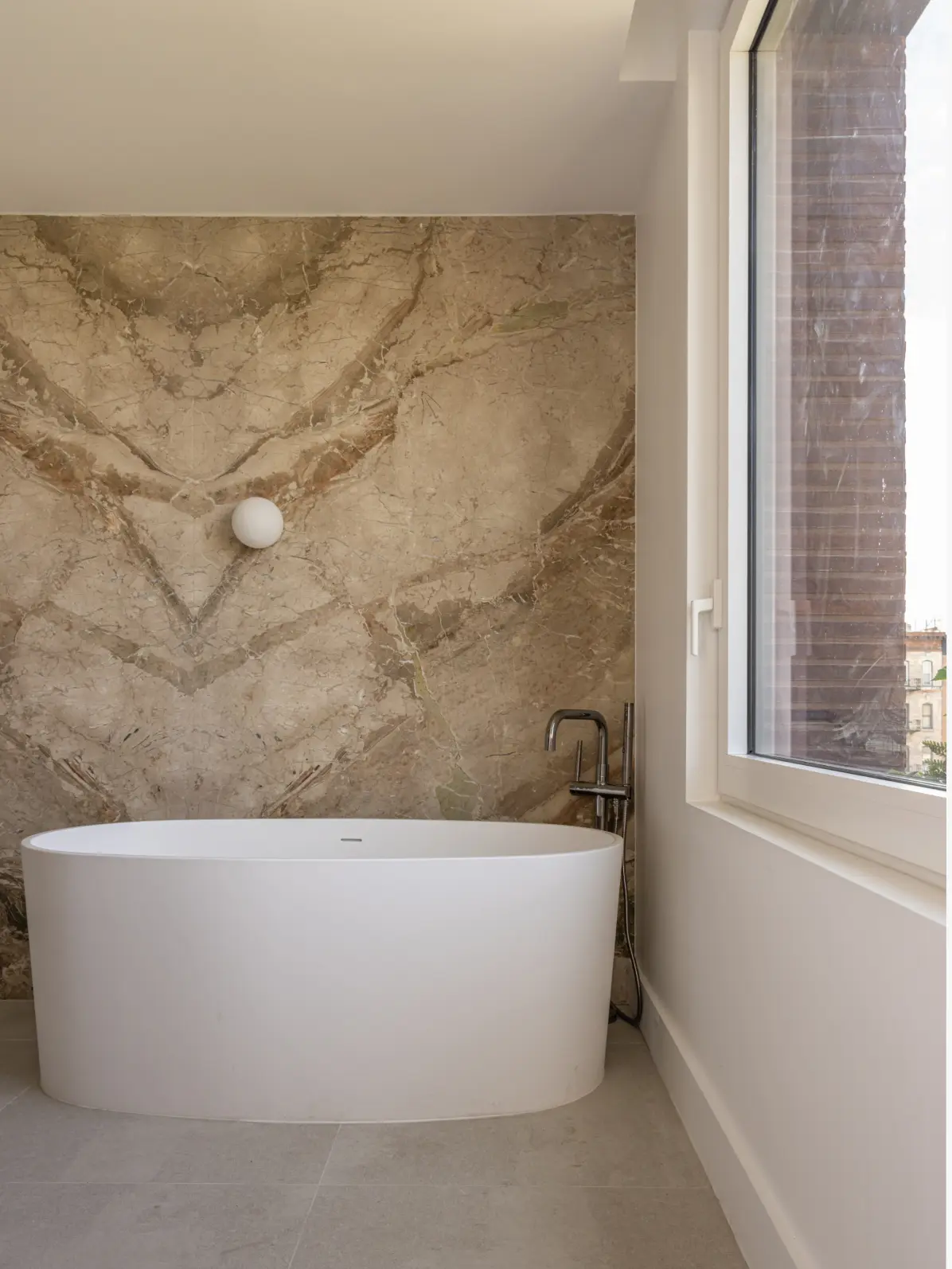
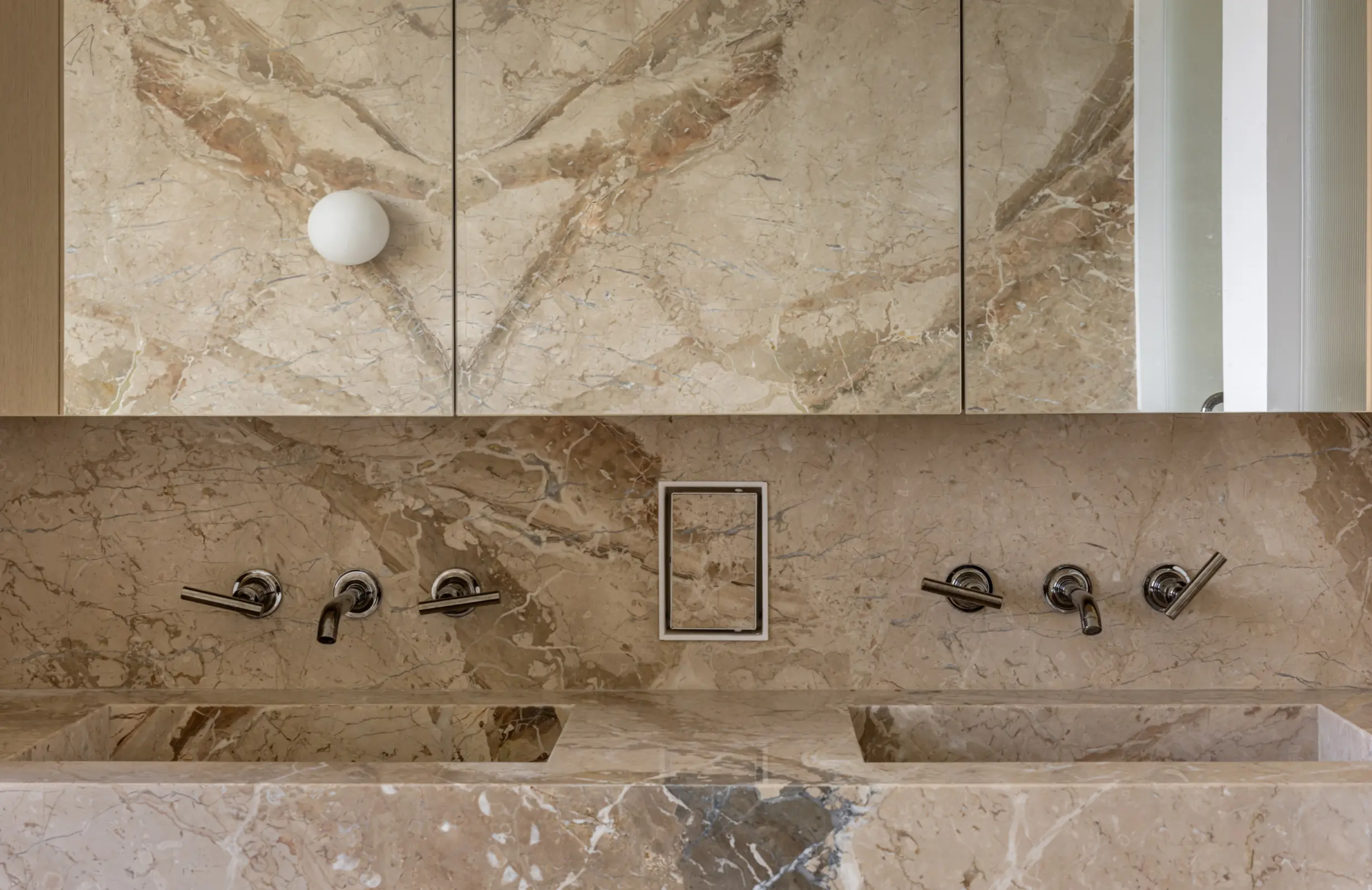
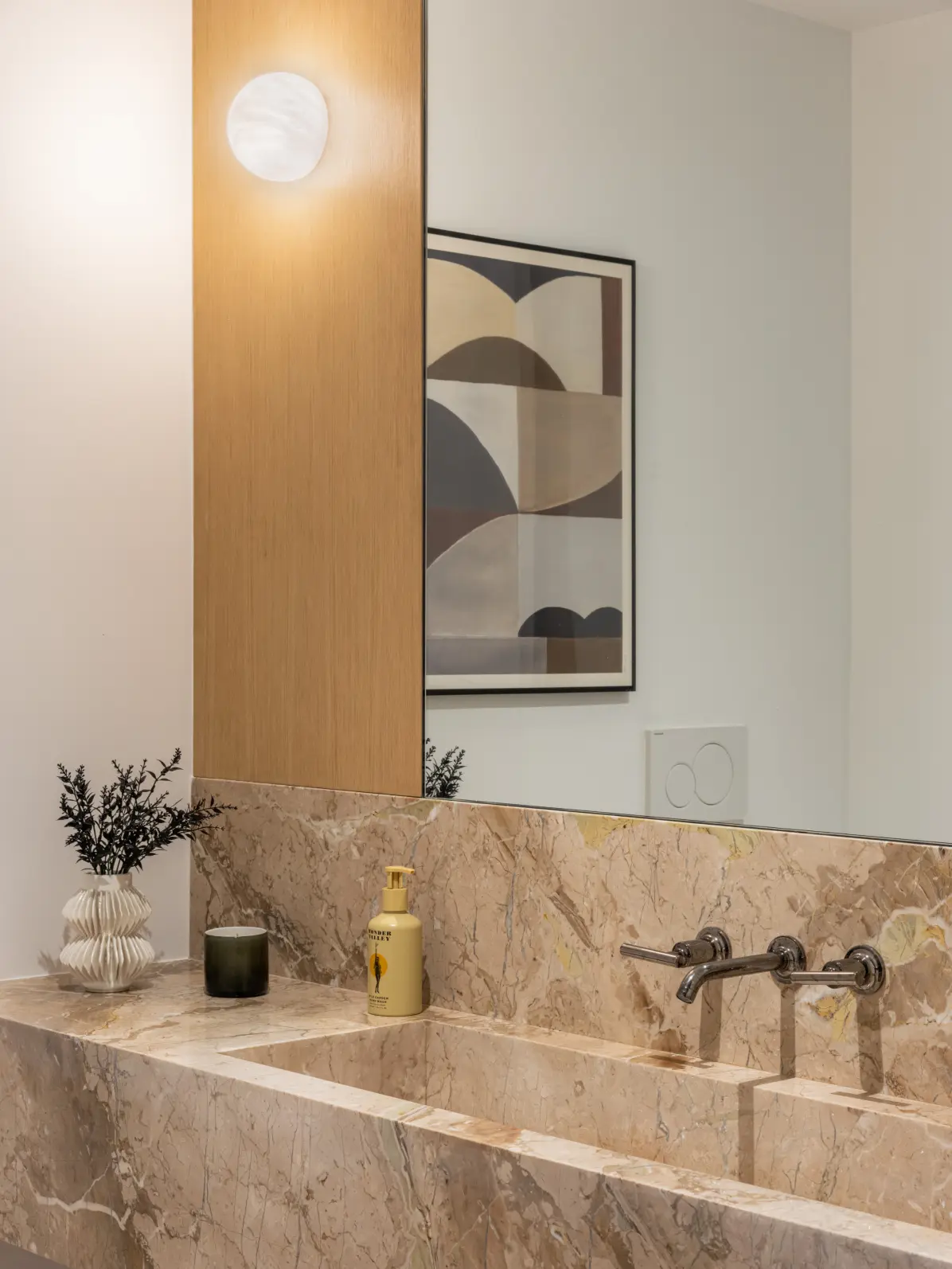
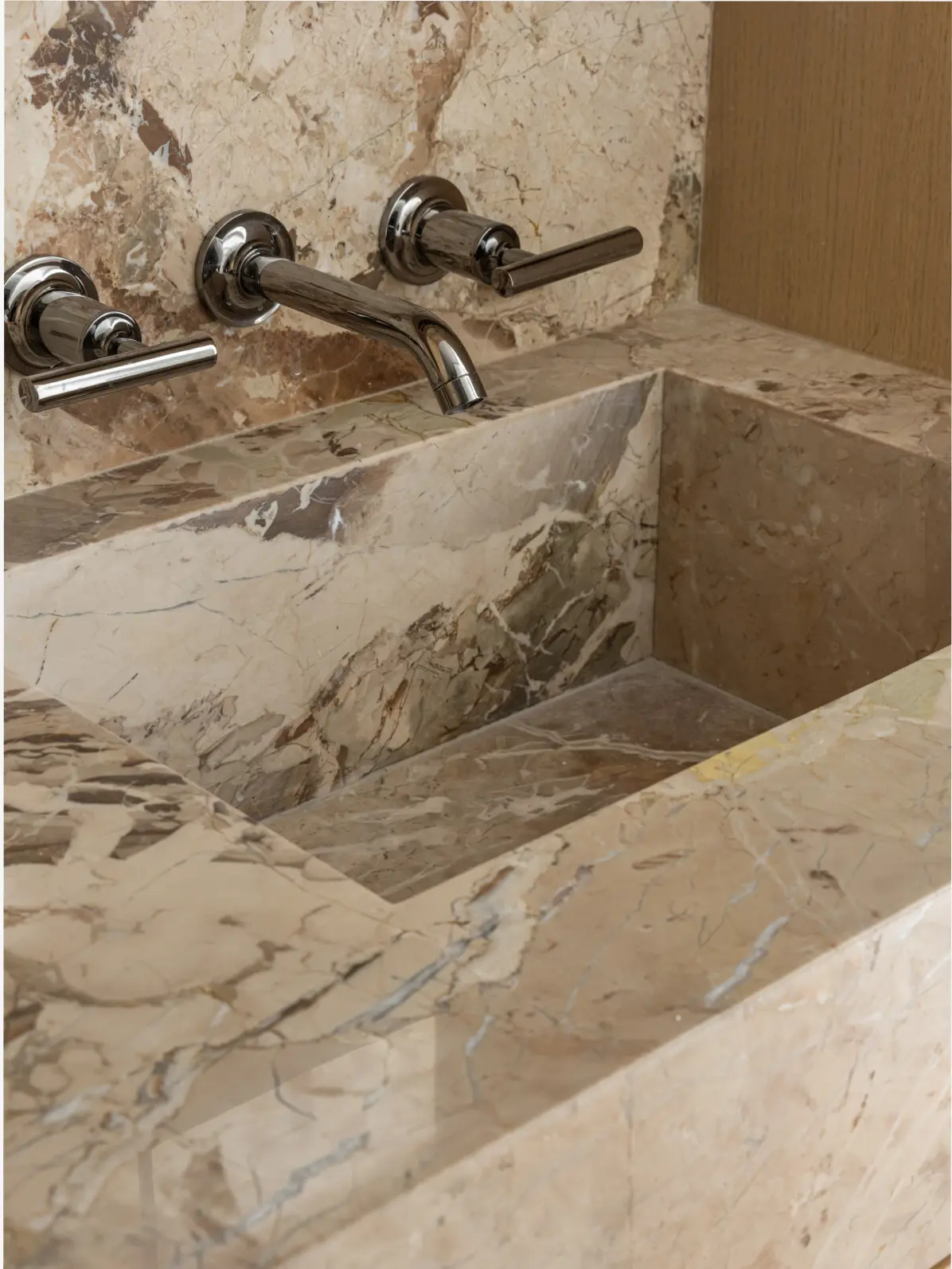
The bathrooms combine a restrained palette with carefully composed material contrasts. Warm wood vanities introduce a natural element against the cooler tones of stone and tile, that feels both functional and refined. Mirrors and layered lighting enhance the proportions of each space, and the attention to detail gives these rooms an uncluttered appearance.
The project demonstrates how a familiar urban material can be reinterpreted through proportion and construction to produce an architecture that is both contextual and contemporary.